By Kyra Intelligence
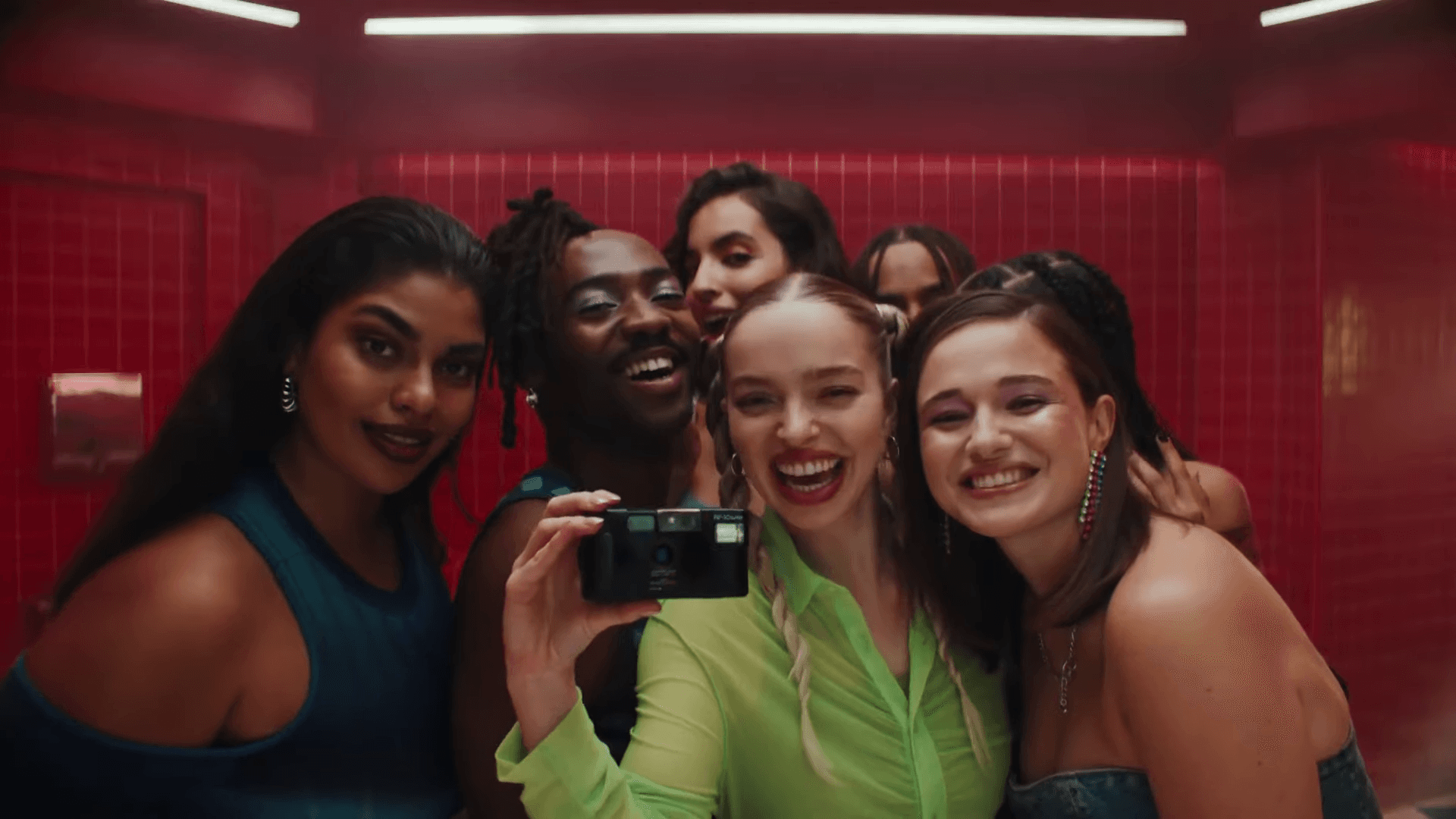
For the 1990s it was the glossy magazine spread. For the 2010s it was Instagram — filtered, aspirational and impossibly polished.For Gen Z, it is TikTok. The platform has transformed beauty discovery into a continuous cultural feed. Products move through the algorithm at extraordinary speed. A serum applied under harsh bathroom lighting can sell out globally overnight. A creator testing a lip stain during a subway commute can launch a category.
The scale is staggering.
TikTok now hosts more than two billion beauty-related posts, while hashtags like #skincare and #makeuproutine have generated hundreds of billions of views. For brands, the platform has become the single most powerful engine of awareness in the industry.
But awareness and belief are no longer the same thing.According to Kyra’s State of Beauty 2026 report, nearly 79 percent of Gen Z consumers say influencers and social media shape their beauty discovery. Yet the same audiences approach purchase decisions with far more caution than the speed of the feed suggests. TikTok made everything discoverable.It did not make everything worth buying.
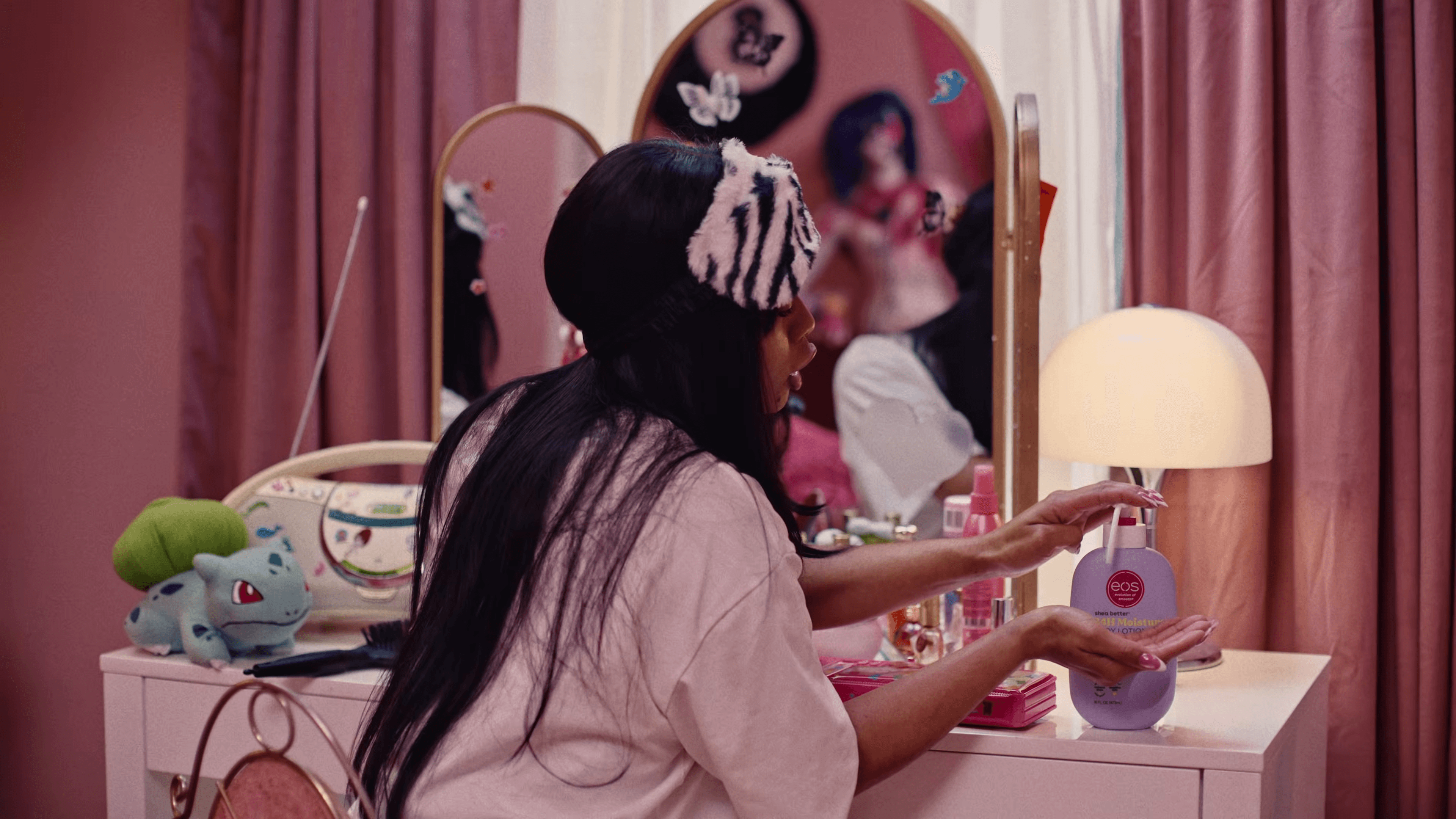
Beauty culture moves at algorithmic speed.The feed thrives on novelty. A new routine every week. A new “holy grail” product every month. A new ingredient breakthrough every few days.
But consumer behaviour underneath that spectacle is surprisingly measured.
In Kyra’s research, more than half of Gen Z consumers still prefer to purchase beauty products in-store, despite discovering them online. Physical retail remains the most trusted environment for committing to a product.The store has become beauty’s verification stage. Consumers test textures. Compare shades. Evaluate packaging. They examine products the way a film audience might examine props on a set — looking for clues about authenticity.The dynamic is revealing.TikTok creates curiosity. Reality determines commitment.
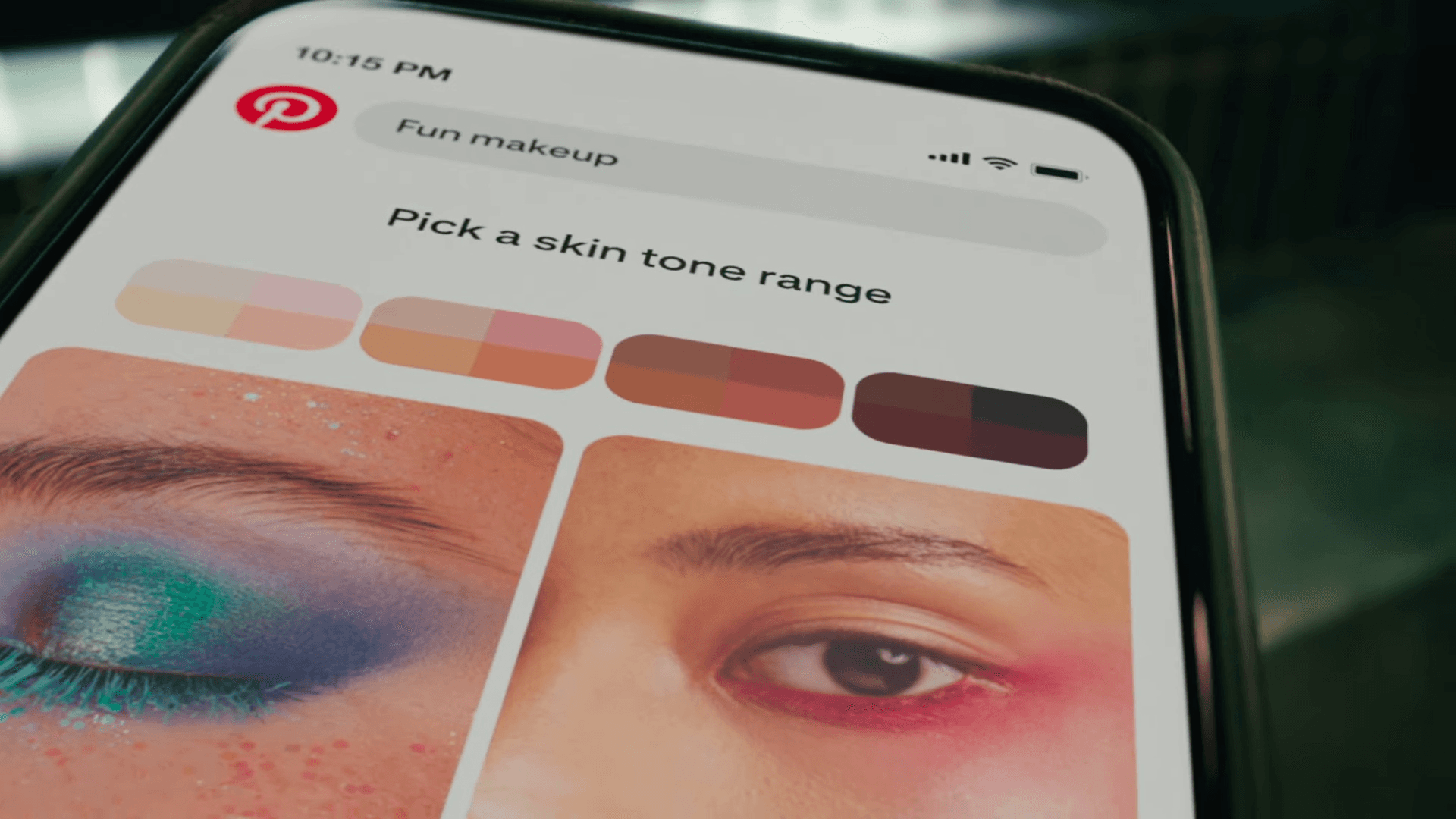
The platform’s algorithm specialises in surfacing content that feels immediate and participatory. A creator applying a product becomes both advertisement and review simultaneously. Beauty transforms into an unfolding cultural conversation.This dynamic has produced some of the most powerful viral beauty moments in recent years.Dior Lip Oil, for example, exploded across TikTok through creator routines that emphasised texture and shine under natural lighting. Videos showing the product catching sunlight or reflecting phone flash quickly accumulated millions of views.
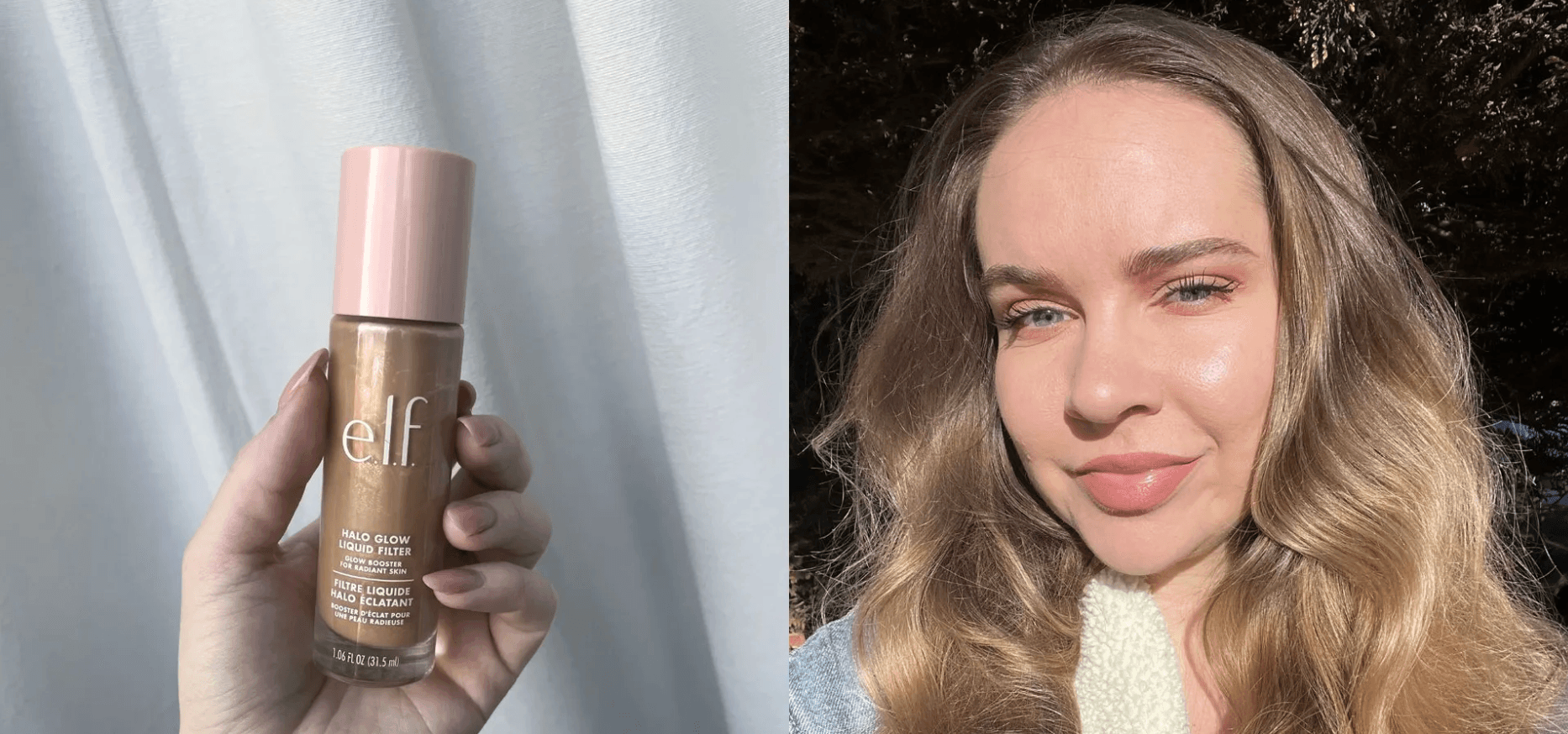
Similarly, e.l.f. Cosmetics’ Halo Glow Liquid Filter became a cultural phenomenon after creators began comparing it to luxury complexion products on camera, demonstrating performance under everyday lighting conditions.These moments reveal how TikTok reshapes product storytelling.The campaign does not happen before the consumer sees the product.It happens while they are watching
But the same algorithm that creates beauty phenomena also produces fatigue.The pace of discovery can overwhelm decision-making.Creators introduce dozens of products each week. Comment sections overflow with questions about alternatives, dupes and ingredient compatibility. The feed becomes a marketplace of constant recommendation.
Gen Z has responded by developing its own filtering system.Consumers increasingly rely on three signals before committing to a product:
Repetition. Does the product appear consistently across creators?Demonstration. Does the creator show how it performs over time?Evidence. Do reviews confirm the claims? The shift reflects a broader cultural literacy about digital influence.
Gen Z grew up inside the creator economy. They understand sponsorship. They recognise paid partnerships. They are fluent in the mechanics of virality. Which means the algorithm can introduce a product. But it cannot guarantee belief.
TikTok has also normalised a particular kind of beauty content: proof. Creators increasingly film products under the harshest possible conditions. Foundations are tested under fluorescent lighting. Lip stains are worn for twelve hours before being peeled off on camera. Sunscreen claims are examined through UV cameras.
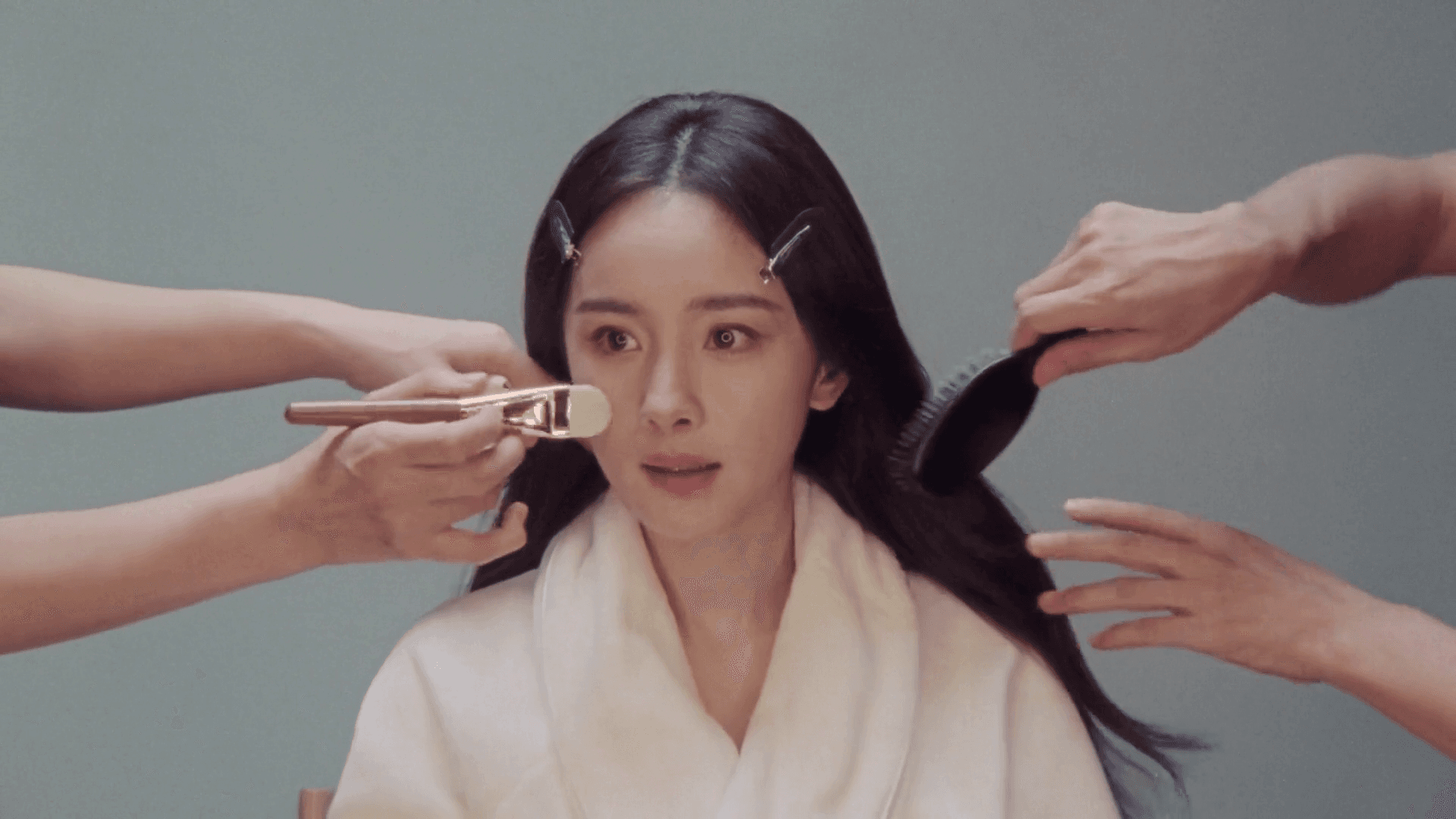
Beauty becomes performance analysis.Brands that thrive in this environment are those that embrace the scrutiny.K18, the biotechnology haircare brand, built much of its credibility through creator demonstrations showing microscopic hair repair. Videos frequently zoom into damaged strands before and after treatment, presenting the results like scientific evidence.
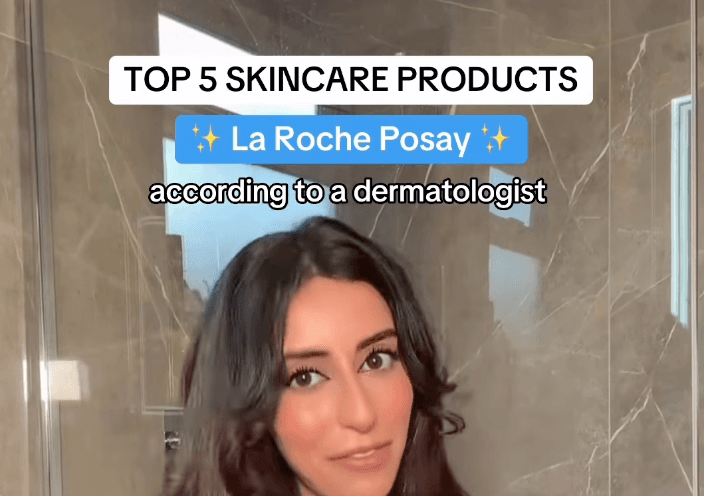
Similarly, La Roche-Posay’s creator partnerships often feature dermatologists explaining ingredient interactions while applying products in clinic settings.The imagery resembles laboratory documentation more than advertising. And it works. Because TikTok culture rewards proof.
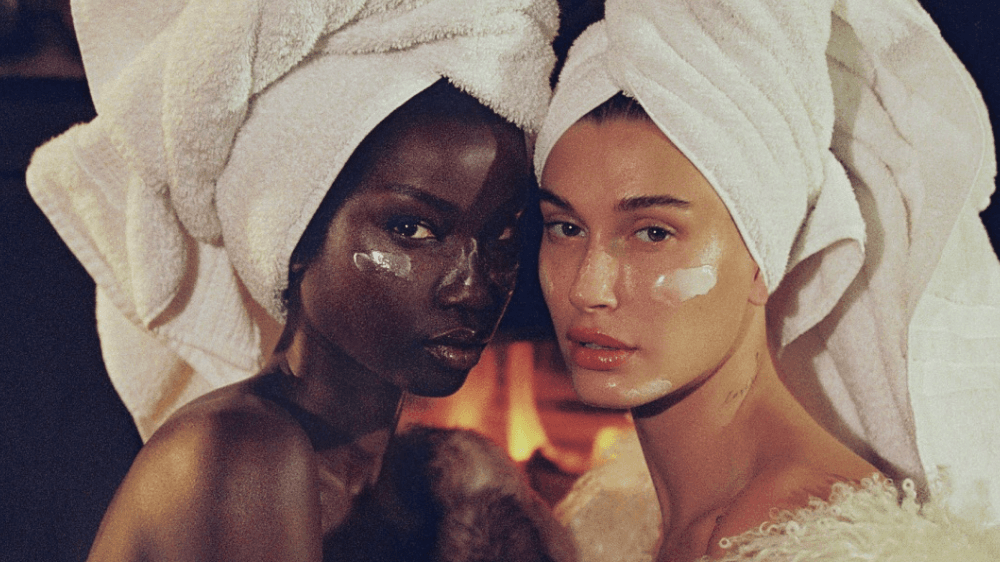
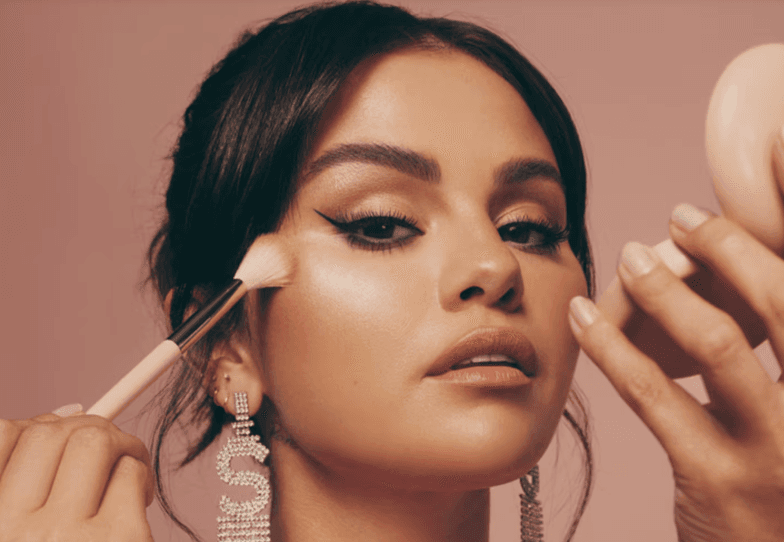
Even brands known for cinematic beauty campaigns are adapting to the aesthetic language of the platform. Consider Rhode, Hailey Bieber’s skincare brand, which built its identity around visual cues taken directly from creator culture. Campaign images feature products resting on marble sinks, next to iced coffees, lip liners and half-open makeup bags. The aesthetic suggests routine rather than aspiration.Similarly, Rare Beauty frequently amplifies creator content showing imperfect application — blush blended with fingers, concealer dabbed quickly before leaving the house. The visuals prioritise relatability over polish.
Luxury houses have begun integrating similar cues.Recent Dior Beauty campaigns combine traditional editorial photography with creator-style content filmed backstage or inside dressing rooms. The result feels less like a campaign and more like documentation of beauty in use.These visuals reflect a cultural truth. Gen Z does not necessarily want to see beauty products posed.They want to see them lived with.
For marketers, the implications are profound. The influencer economy spent much of the last decade optimising for reach. Virality became the ultimate metric of success.But the relationship between attention and trust is weakening.Products can trend without converting. Campaigns can accumulate millions of views without embedding themselves in routines.
Understanding the difference requires a deeper analysis of creator behaviour. Which brands appear repeatedly across routines? Which remain visible months after launch? Which disappear once the initial campaign cycle ends? These patterns reveal how beauty culture actually functions.
This is where creator intelligence becomes critical.Kyra’s platform analyses billions of creator posts and brand mentions, tracking how products circulate across the creator ecosystem over time. The data reveals which brands are gaining momentum, which maintain consistent presence and which are beginning to lose visibility.The system forms the basis of the Kyra Predictive Index, which maps three signals across beauty categories:
Rising Momentum — brands accelerating fastest in creator conversation.Stability Signals — brands sustaining consistent creator attention.Early Decline Signals — brands still visible but losing traction.
Preference data tells us what consumers buy today. Creator behaviour often reveals what they will buy tomorrow.
Gen Z still participates enthusiastically in beauty culture. They follow creators. They save routines. They discuss products in comment sections. They experiment with new trends.But their behaviour contains a quiet discipline.They scroll quickly. They buy slowly. The algorithm may surface thousands of products.Only a handful survive the routine. And in a beauty market defined by endless discovery, that discipline may be the most powerful cultural shift of all. TikTok made everything discoverable. Gen Z decided what deserves to stay.
Subscribe to our newsletter for weekly influencer marketing insights, trends, and data-driven strategies.