By Kyra Intelligence
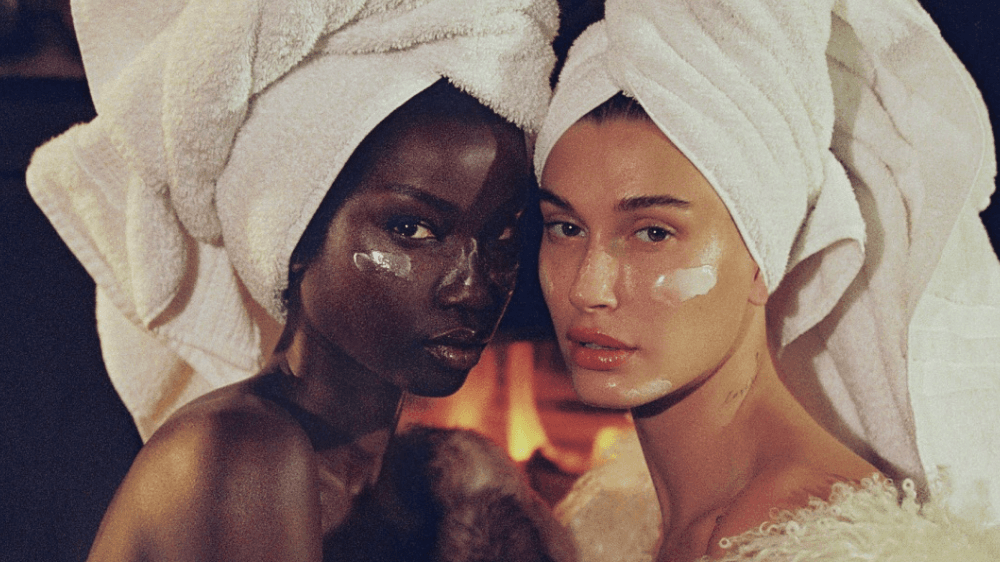
Millennials built the era of discovery. Instagram tutorials, YouTube hauls and the first wave of influencer marketing turned cosmetics into entertainment. Beauty moved at the speed of the feed. Gen Z grew up inside that machine.And instead of rejecting it, they learned how to interrogate it.
The beauty internet has never been louder. On TikTok alone, beauty content now exceeds 2 billion posts, while hashtags like #skincareroutine and #GRWM have generated hundreds of billions of views. The algorithm produces a new miracle serum every week.But behaviour underneath the noise is shifting.
According to Kyra’s State of Beauty 2026 report, 78.8 percent of Gen Z consumers say influencers and social media shape their beauty purchases. Yet the same consumers increasingly rely on reviews, ingredient analysis and repeated creator usage before committing to a product.The result is a new kind of beauty behaviour.Discovery is chaotic.Purchase decisions are forensic.Beauty hasn’t left the hype era.It has entered the audit era.
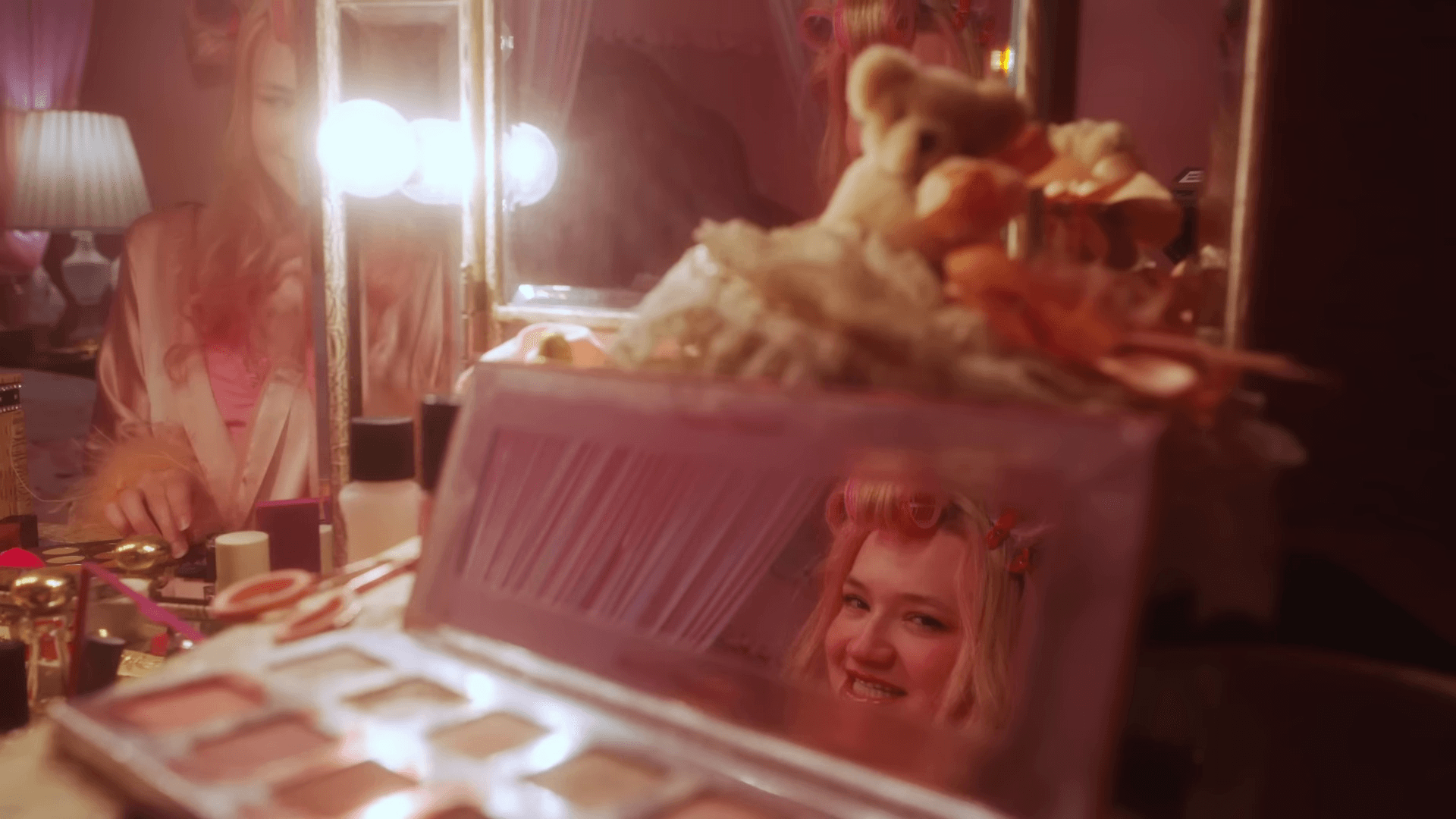
Beauty culture still moves at internet speed.One viral clip can launch a product into global consciousness overnight. A single TikTok demonstrating a foundation under fluorescent lighting can sell out entire retail inventories.But the feed no longer decides the winner.The routine does.
In Kyra’s research, while social media drives the majority of product discovery, 52 percent of Gen Z consumers still prefer to purchase beauty products in-store, with online purchases sitting around 44 percent.
The store has become the final stage of verification. Products discovered through creators are tested physically — texture, scent, shade, packaging. The process resembles a cultural fact-check.In other words, TikTok creates the trial. Real life confirms the verdict.
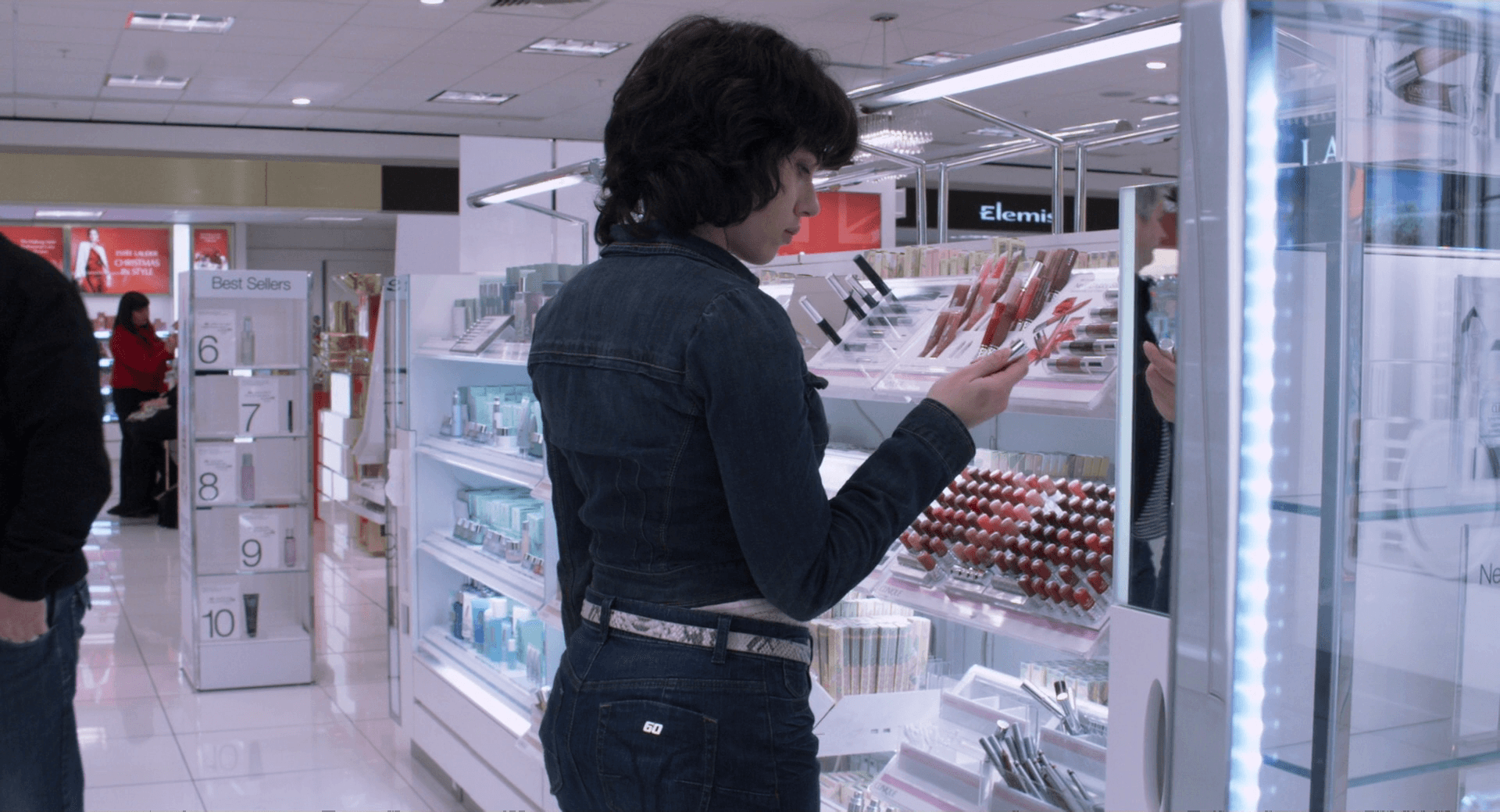
Nowhere is the audit era clearer than in skincare.If Millennial beauty culture was defined by palettes and contour kits, Gen Z’s beauty obsession is the skin barrier.On TikTok, dermatology language has become mainstream. Creators debate niacinamide percentages. Ingredient breakdowns go viral. Cosmetic chemists accumulate millions of followers explaining formulation science.The data reflects this cultural shift.
In Kyra’s study, 34 percent of Gen Z consumers say skincare is the category they understand best, and the same proportion say it’s where they are willing to spend the most.
Purchase drivers tell the story:

The brands dominating Gen Z routines mirror that mindset.Pharmacy-adjacent skincare brands like CeraVe, La Roche-Posay and The Ordinary remain some of the most trusted names among young consumers. Their cultural authority has little to do with aspirational storytelling but rather from clinical credibility.
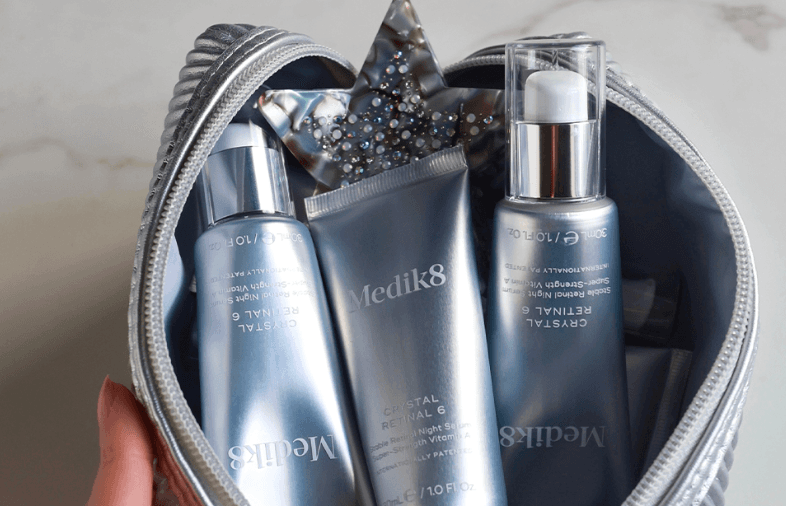
The visual language surrounding these brands reflects that shift. Pipettes. White packaging. Dermatology offices. Ingredient charts.Beauty increasingly looks less like fashion. And more like medicine.
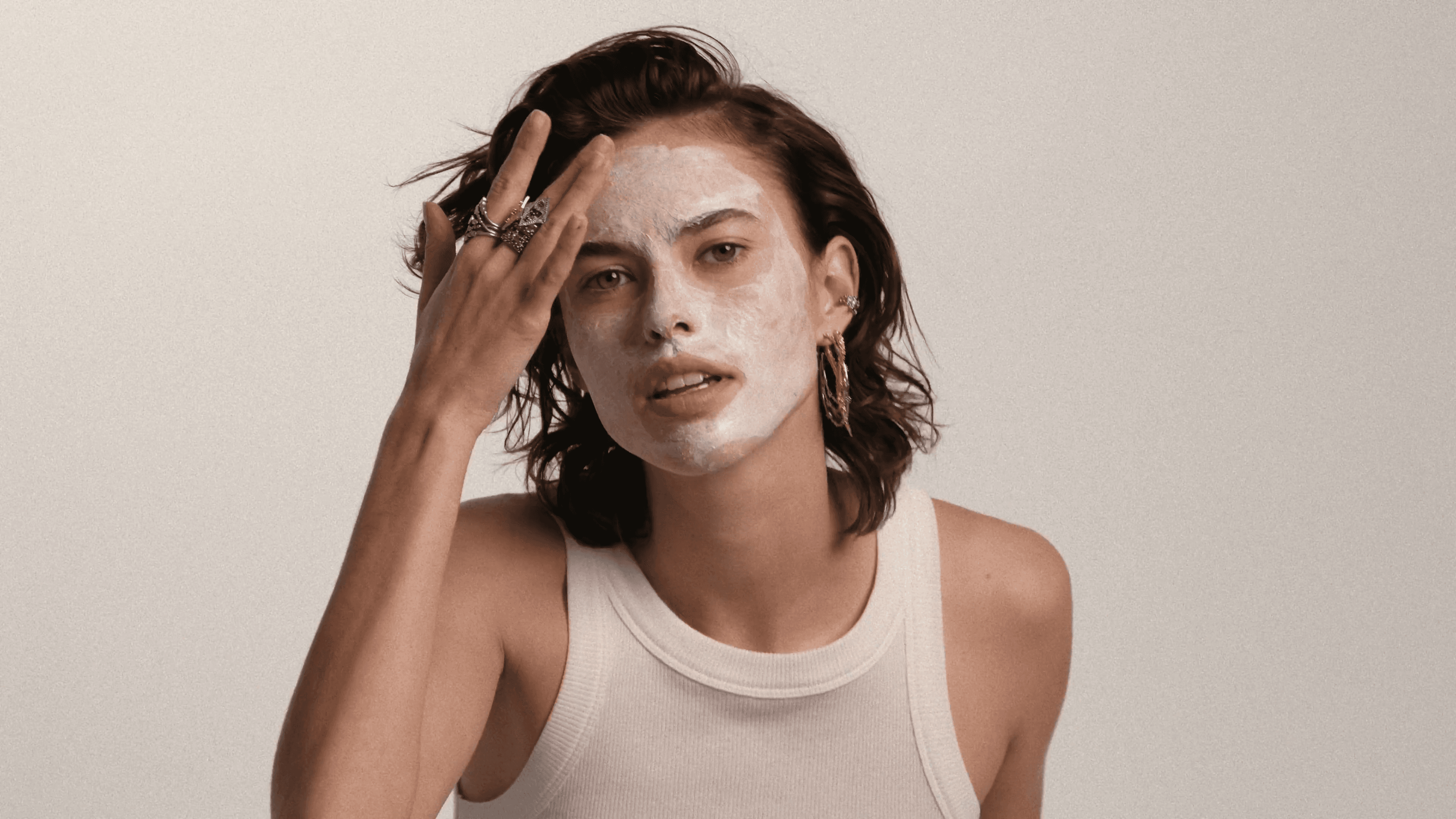
The brands winning Gen Z attention often resemble laboratories more than luxury houses.K18, the biotech haircare brand, built its reputation through microscopic demonstrations of hair repair. Creator content regularly shows strands of damaged hair under magnification before and after treatment.The visuals feel closer to scientific documentation than traditional advertising.
Similarly, The Ordinary’s entire aesthetic is built around ingredient transparency. Campaign imagery centres on droppers, formulations and clinical typography — a deliberate rejection of traditional beauty glamour.
Even luxury brands are adapting.Recent Dior Beauty campaigns increasingly combine cinematic imagery with ingredient education, while brands like Drunk Elephant integrate dermatologist commentary and creator breakdowns into their campaign ecosystems.
The shift reveals something deeper about Gen Z beauty culture.Visual proof now carries cultural capital.
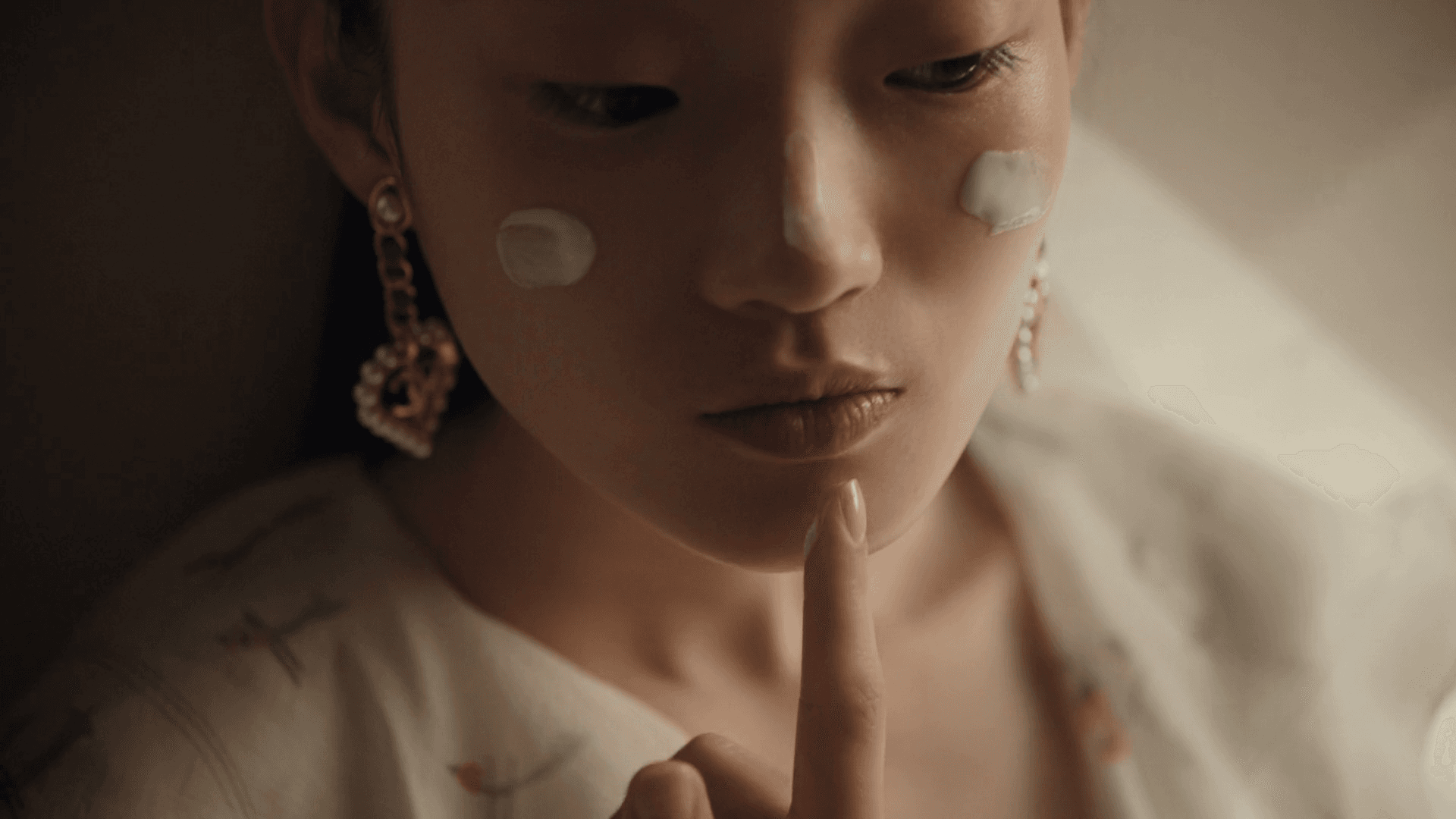
While skincare became the category of proof, makeup has undergone a quieter transformation.The era of dramatic YouTube transformations — full glam contour routines, ten-step highlight tutorials — has faded. Instead, Gen Z prefers lighter formats that integrate seamlessly into everyday life.The data confirms it.
In Kyra’s research:
Application habits reveal the same behaviour shift.Light coverage dominates at nearly 49 percent, while products like lip balm outperform traditional base makeup as everyday essentials.The cultural reference points have changed accordingly.
Instead of the theatrical beauty of early YouTube creators, today’s aesthetic looks closer to the barely-there skin of shows like Euphoria, the clean minimalism of Hailey Bieber’s “glazed” aesthetic, or the off-duty model routines circulating across TikTok.Makeup hasn’t disappeared.It has simply become functional.
Another unexpected winner in the audit era is beauty technology.Devices promise something influencers cannot: measurable performance.The category has become dominated by a small group of trusted brands. In Kyra’s research, Dyson commands more than 50 percent of consumer trust in beauty electronics, followed by Philips and Shark Beauty.Together, the top three brands account for nearly 90 percent of device preference.Culturally, the Dyson Airwrap has become something like the iPhone of the bathroom counter — an instantly recognisable object that signals both functionality and status.Once the device enters the routine, everything else becomes modular around it.Shampoos rotate. Styling creams change.The tool stays.
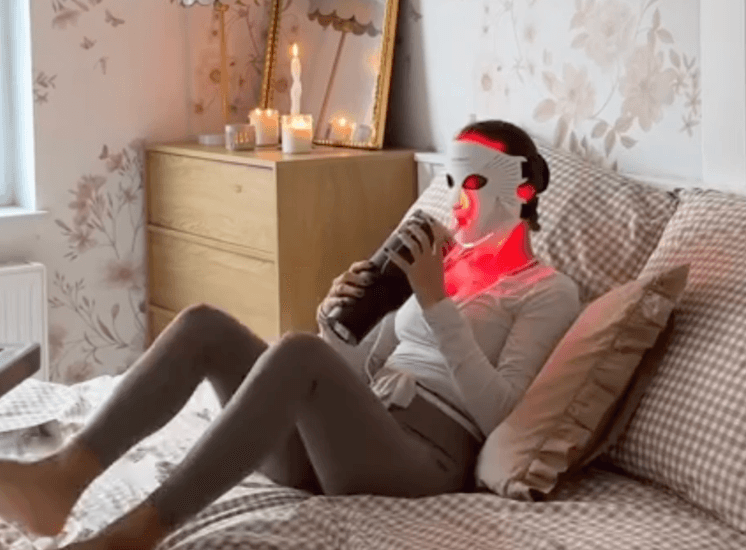
The audit mindset extends beyond beauty into wellness.A few years ago, the category thrived on aspiration. Clean living aesthetics dominated Instagram. Adaptogens and supplements were sold through lifestyle imagery. Today the language has shifted.Consumers increasingly want measurable outcomes.
In Kyra’s research:
Subscriptions remain rare — more than 90 percent of consumers are not subscribed to wellness brands.The behaviour reflects experimentation rather than loyalty.Consumers are testing.Auditing.Comparing.
Gen Z still loves beauty culture.They still follow creators. They still enjoy product discovery. They still participate in trends and routines.But the relationship between hype and belief has changed.Products are now watched the way investors watch markets.Patterns matter.Consistency matters.Proof matters.Beauty is no longer just an economy of attention.It has become an economy of verification.And in the audit era, the brands that win are not the ones that trend.They are the ones that pass inspection.
Subscribe to our newsletter for weekly influencer marketing insights, trends, and data-driven strategies.