By Kyra Intelligence
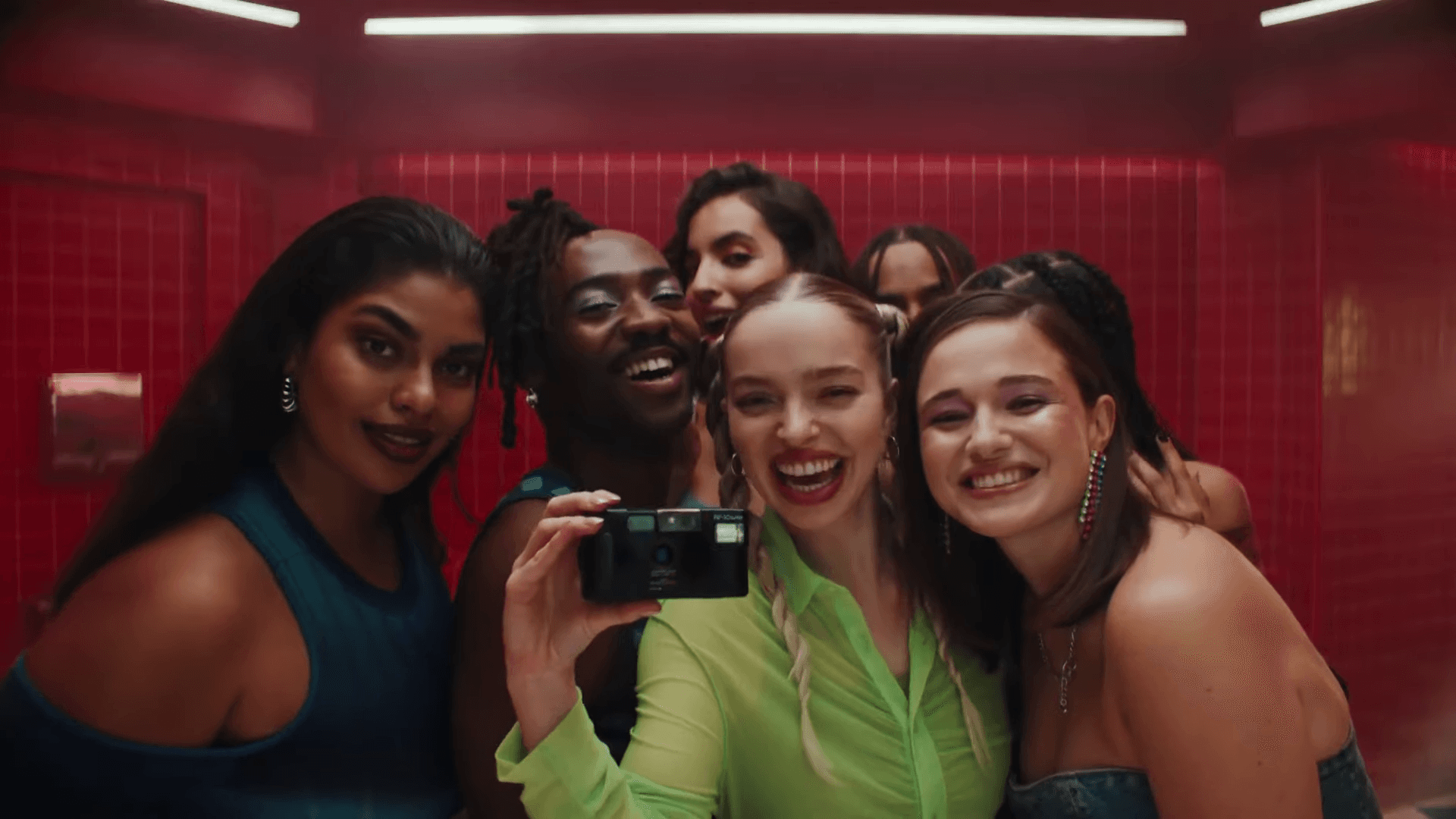
A single scroll might jump from a GRWM before class video filmed in a dorm room to a creator rubbing peptide serum across their face like it’s a luxury ritual, to someone dramatically “deinfluencing” the same product two weeks later. Skincare fridges glow neon. Foundation is tested under ring lights and fluorescent bathroom lighting. A lip oil becomes a personality trait. It’s the kind of cultural noise that makes the beauty industry feel permanently accelerated. However, underneath the spectacle, Gen Z’s behaviour is strangely disciplined.
According to Kyra’s State of Beauty 2026 report, Gen Z beauty culture moves quickly in public but slowly in private. Discovery happens constantly, driven largely by creators and social platforms. Commitment, however, is cautious. Products are evaluated. Watched. Tested socially before they earn their place inside a routine.Influence may open the door. Evidence decides who stays. Nearly 79 percent of Gen Z consumers say influencers shape their beauty purchases, with TikTok accounting for almost half of discovery. Yet the same consumers still prefer to buy in-store more than online. The store becomes a final checkpoint; a moment of confirmation after the internet’s endless commentary.
The cultural contradiction is striking. Beauty has never looked louder. Yet consumers have never behaved more like investigators.G en Z didn’t kill beauty hype, they just started asking for receipts.
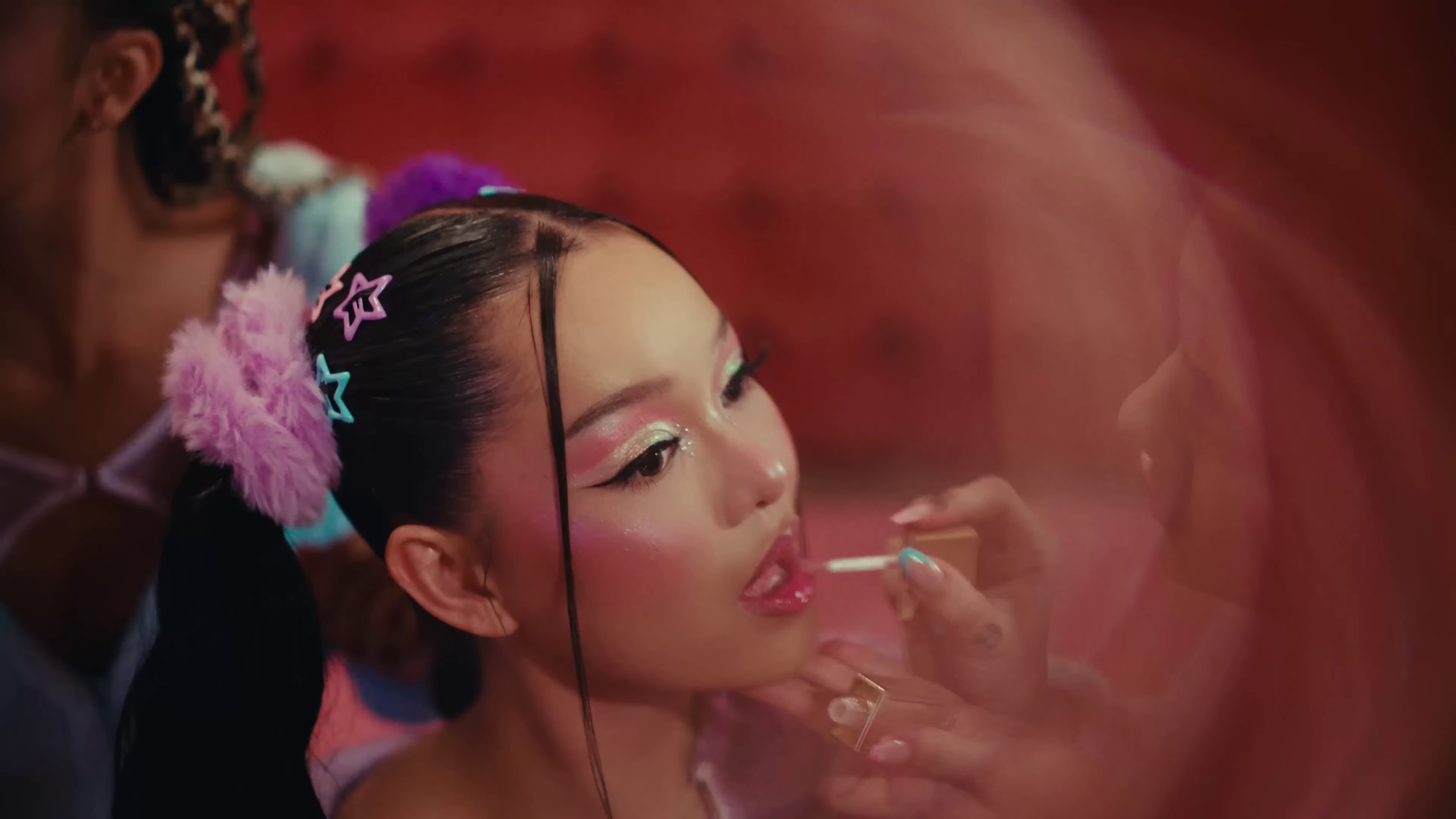
The GRWM video has quietly become one of the defining formats of Gen Z beauty culture.The format is deceptively simple. A creator sits in front of a mirror. They talk through a day, a breakup, a political opinion or an awkward date while applying their routine in real time.What makes the format powerful is its intimacy. Products appear not as advertisements but as background characters in a life story.
A Rhode lip treatment sits next to a phone charger. A tube of CeraVe moisturiser is squeezed absent-mindedly while someone complains about their situationship. The beauty product becomes evidence of everyday use, but the GRWM economy has also trained audiences to look more closely. Consumers now watch routines over time. They notice when products disappear from shelves or stop appearing in creators’ bathrooms. They compare notes in comment sections. One video might spark curiosity but ten videos create belief.
This is why reviews and wear tests now outperform aspirational beauty storytelling as trust drivers. In Kyra’s research, nearly half of Gen Z consumers say reviews are the most influential creator format, significantly ahead of tutorials or aesthetic inspiration.The internet may still reward spectacle. Gen Z increasingly rewards consistency.
The most culturally resonant beauty campaigns of the last two years reflect this shift. Take K18, whose rise in haircare has been powered by visuals that resemble laboratory documentation more than advertising. Campaign imagery frequently shows strands of damaged hair under microscopes, before-and-after textures and microscopic protein diagrams. It’s science rendered with the aesthetic clarity of a TikTok explainer.
Similarly, The Ordinary’s campaigns lean into a language of transparency: ingredient lists treated like headlines, pipettes held against stark white backdrops, textures magnified until they resemble abstract art.
Even prestige beauty houses are recalibrating.Recent Dior Beauty campaigns starring Jenna Ortega blend cinematic glamour with close-up skincare rituals, the camera lingering on texture and application rather than fantasy alone. Meanwhile Charlotte Tilbury’s campaigns, once built on Hollywood theatrics, increasingly foreground performance claims alongside their signature sparkle.The cultural mood has shifted from aspiration to verification.
“Brand building today isn’t a single campaign moment,” says Celia Ellenberg, former Global Beauty Director at Vogue. “The brands that win are the ones that keep appearing organically in routines — restocks, repurchases, everyday use. That persistence signals product–market fit in real time.”In other words, the campaign doesn’t end after launch. It continues inside the routine.

Few phrases capture Gen Z beauty culture more accurately than “protect your skin barrier.”Once a clinical dermatology term, the phrase now appears everywhere — TikTok captions, comment sections, product packaging. It’s become shorthand for a broader cultural mindset. Skin is no longer something to transform.The brands dominating Gen Z skincare reflect the shift to protection. CeraVe, La Roche-Posay and The Ordinary lead preference rankings, anchored in pharmaceutical credibility rather than aesthetic drama.
What’s culturally interesting is how little this dominance relies on traditional luxury imagery. These brands rarely appear in glossy campaign films. Instead, they circulate through creator routines — recommended by dermatologists, discussed in ingredient breakdown videos, passed between friends in comment sections.The imagery is closer to pharmacy culture than fashion.Even prestige skincare is adopting similar cues. Augustinus Bader’s campaigns, for example, emphasise laboratory environments and clinical testing rather than lifestyle fantasy.The new beauty aesthetic is less Euphoria makeup montage and more science lab at golden hour.

Another unexpected cultural shift is happening in beauty tech.Devices are becoming the structural anchors of routines. According to the report, over 84 percent of Gen Z consumers now own a beauty styling tool, with Dyson dominating trust at over half the category.
The Dyson Airwrap has become something of a cultural object — appearing everywhere from TikTok hair tutorials to backstage fashion week prep videos. The visual identity of the tool itself, futuristic and sculptural, has helped elevate appliances into status symbols.
Once the device enters the routine, everything else becomes modular.Shampoos rotate. Styling creams change. But the tool stays.This kind of loyalty explains why brands like Shark Beauty have been gaining rapid creator momentum. Their campaigns lean into performance comparisons and side-by-side demonstrations, the visual language closer to tech review culture than traditional beauty marketing.Beauty appliances have quietly become the iPhones of the bathroom.

Interestingly, fragrance remains one of the few beauty categories where fantasy still dominates.Unlike skincare or haircare, where proof and performance lead decision-making, fragrance campaigns continue to lean heavily into narrative worlds.Think Zendaya wandering dreamlike through a futuristic city in Valentino campaigns, or Timothée Chalamet’s desert odyssey for Chanel Bleu. These are campaigns built on atmosphere, identity and cinematic imagination.
And Gen Z appears happy to let fragrance remain theatrical.Nearly half of consumers own two to three fragrances, rotating them depending on mood or occasion. Blind buying is common. Identity and aura matter more than functional proof.
“This is the modern lipstick index, amplified,” says Laura Steffanut, PR, Media & Influence at Armani Beauty. “Gen Z is coming of age in an economy where big milestones like houses or cars feel distant. So spending shifts into everyday luxuries they can control.”
A fragrance becomes a small piece of the lifestyle someone wants to inhabit.In a beauty world increasingly driven by evidence, fragrance remains the space for fantasy.

For marketers, the deeper shift is structural.Influencer marketing has historically been measured by reach and engagement — metrics that favour spectacle and rapid spikes of attention. But Gen Z’s behaviour suggests a different metric may matter more: routine integration.Products that appear repeatedly in creator routines signal trust. They become familiar through repetition rather than novelty.
This is precisely the kind of pattern that platforms like Kyra are designed to track. By analysing billions of creator posts and brand mentions, Kyra’s predictive intelligence maps where beauty conversation is accelerating, stabilising or slowing.Preference rankings show what consumers say they buy today.Creator momentum often reveals what they will buy next.The difference between the two is where cultural shifts begin.
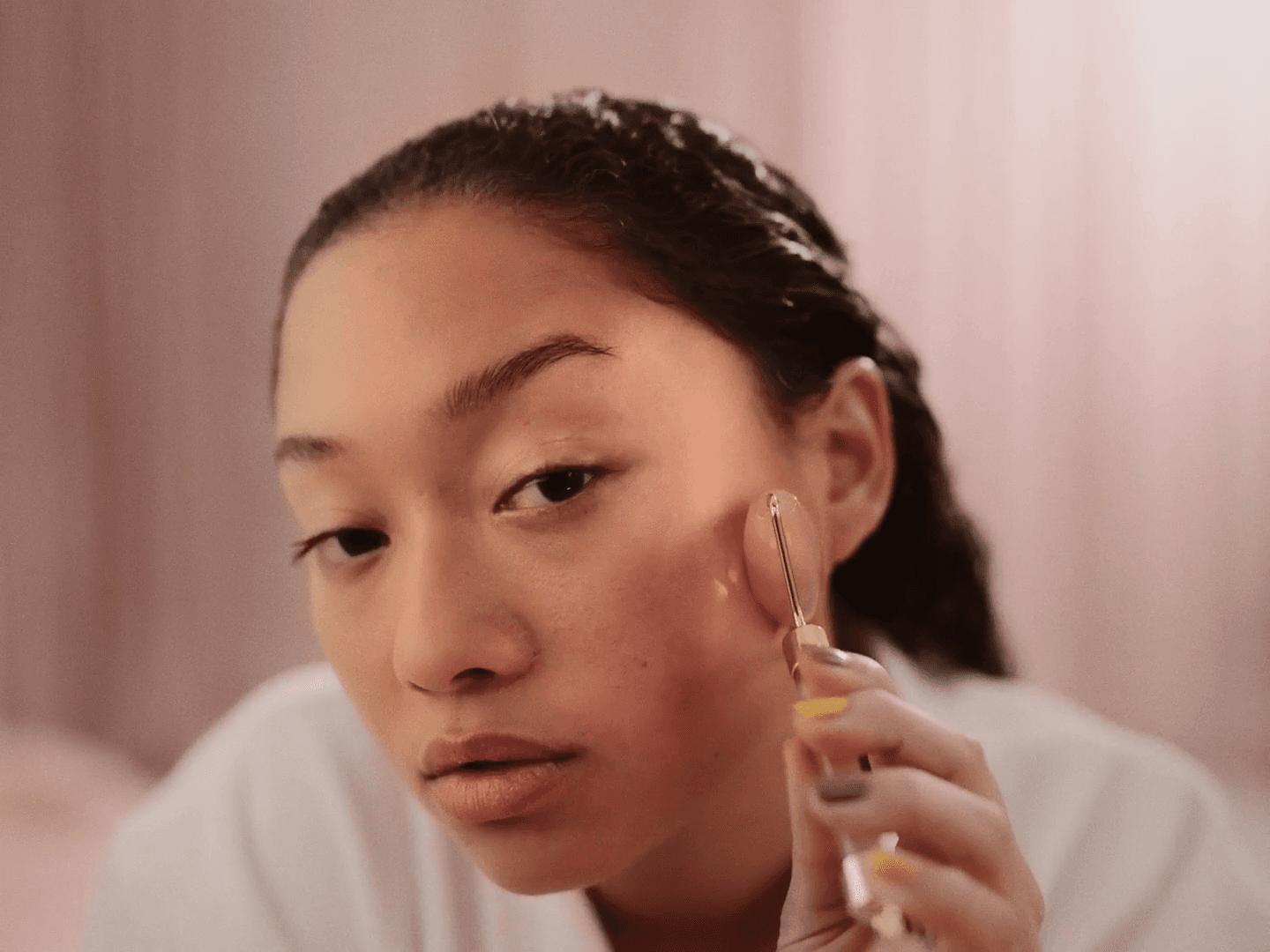
The beauty industry spent much of the last decade optimising for visibility. But visibility alone no longer guarantees loyalty.Gen Z scrolls endlessly. But their cabinets are curated.Products earn their place through repetition, reviews and performance. They survive not because they went viral once but because they continue to appear — quietly — inside everyday routines.Beauty hype didn’t disappear.It just started going through quality control.
Subscribe to our newsletter for weekly influencer marketing insights, trends, and data-driven strategies.