By Kyra Intelligence
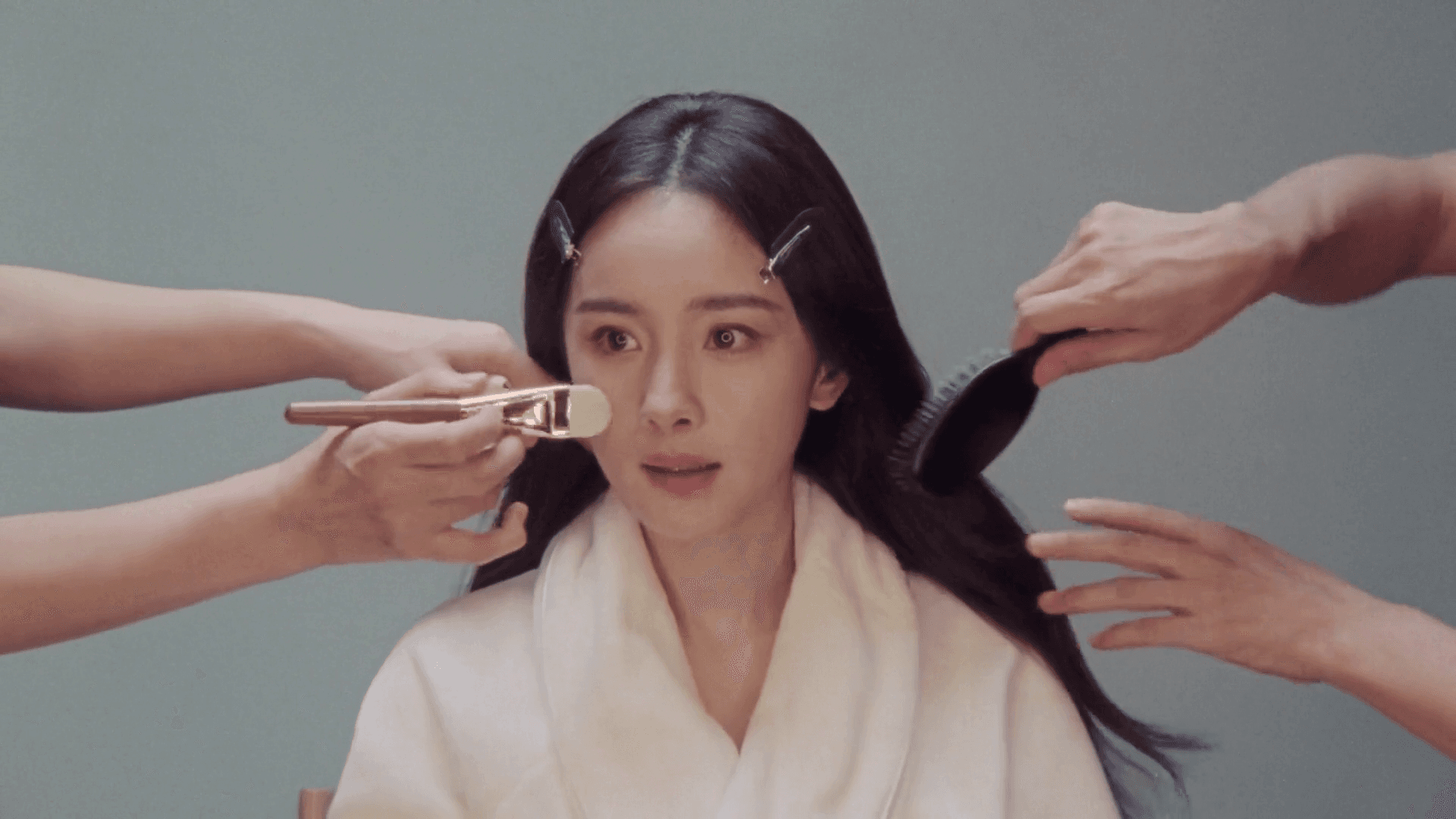
“Get ready with me” began as a simple beauty format: someone sitting in front of a mirror applying skincare or makeup while talking through their day. Over the past five years it has evolved into something far larger.
GRWMs are now confessional diaries, cultural commentary, dating stories, mental health conversations and product recommendations happening simultaneously.In the process, they have become one of the most powerful distribution channels in the modern beauty industry.On TikTok alone, beauty-related content now exceeds 2 billion posts, while the hashtag #GRWM has generated more than 180 billion views globally. What began as casual creator content has helped transform influencer marketing into a $24 billion global industry, according to Influencer Marketing Hub.
But the format is entering a new phase.Not because people have stopped watching. Quite the opposite.Because audiences have started watching more carefully.
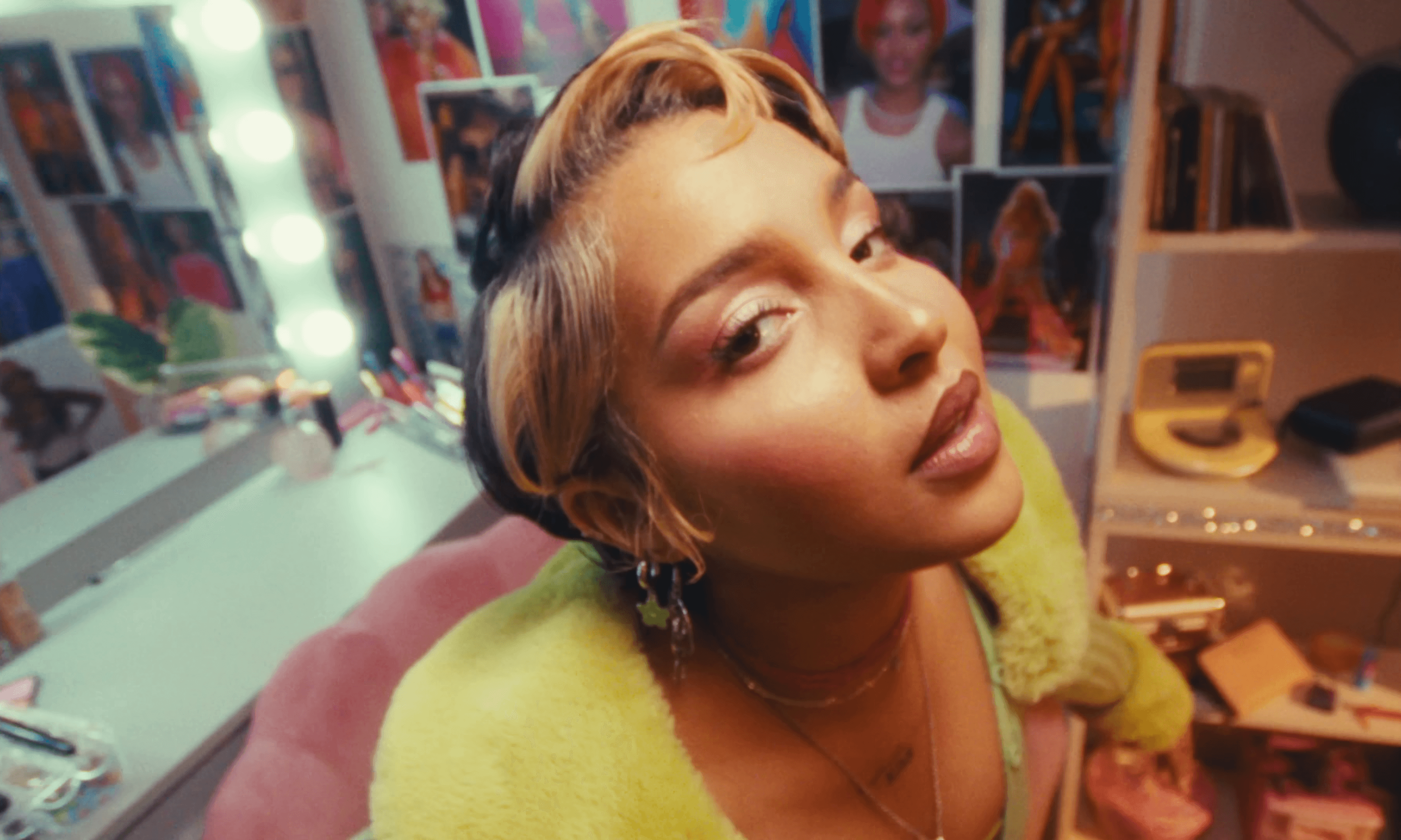
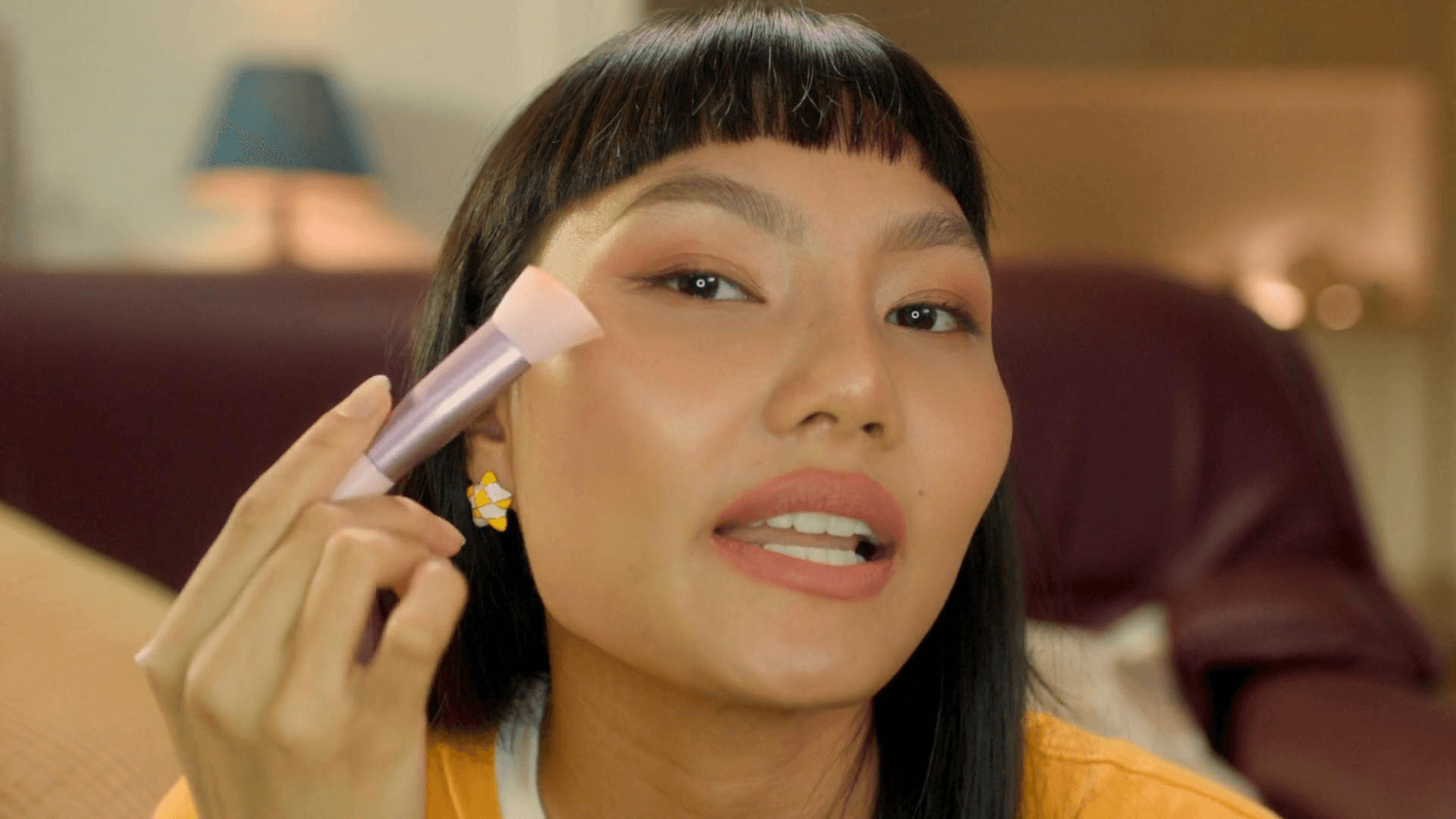
GRWM videos thrive on intimacy.A creator sits close to the camera. Lighting is natural. The environment feels domestic rather than staged — a dorm room, a bathroom counter, the corner of a bedroom.Products appear incidentally.A moisturiser is applied while someone explains a bad Hinge date.A lip oil appears halfway through a story about office politics.Beauty becomes the visual rhythm of the narrative rather than the narrative itself.
For brands, the format was revolutionary.Instead of interrupting culture, beauty products could live inside it.A Rhode peptide lip treatment appears in a morning routine. Rare Beauty blush is applied during a conversation about dating anxiety. A CeraVe cleanser sits next to a toothbrush while someone discusses university exams.The product does not feel advertised.
This intimacy is precisely why GRWMs became such an effective commercial channel. But it is also why the format has become increasingly fragile.Because when advertising enters the most personal corners of someone’s routine, audiences expect honesty.And Gen Z is exceptionally good at spotting when it disappears.
One of the most revealing insights from Kyra’s State of Beauty 2026 report is how Gen Z interprets creator content.
Creators remain central to discovery. In the UK sample of the study, 78.8 percent of respondents say influencers or social media shape their beauty purchases, with TikTok accounting for nearly half of first product discovery. But discovery is only the beginning.What determines credibility is what happens afterwards.Single posts matter far less than patterns of behaviour.Creators who repeatedly use the same products across routines signal authenticity. Those who cycle rapidly through new launches often trigger scepticism.In other words, Gen Z has moved from watching recommendations to watching habits.
The shift reflects a broader cultural literacy about the creator economy. Audiences understand sponsorship. They recognise affiliate links. They know that product placement often sits behind the camera.The question is no longer whether a creator is being paid.The question is whether the product still appears when they are not.
When Authenticity Becomes Aesthetic
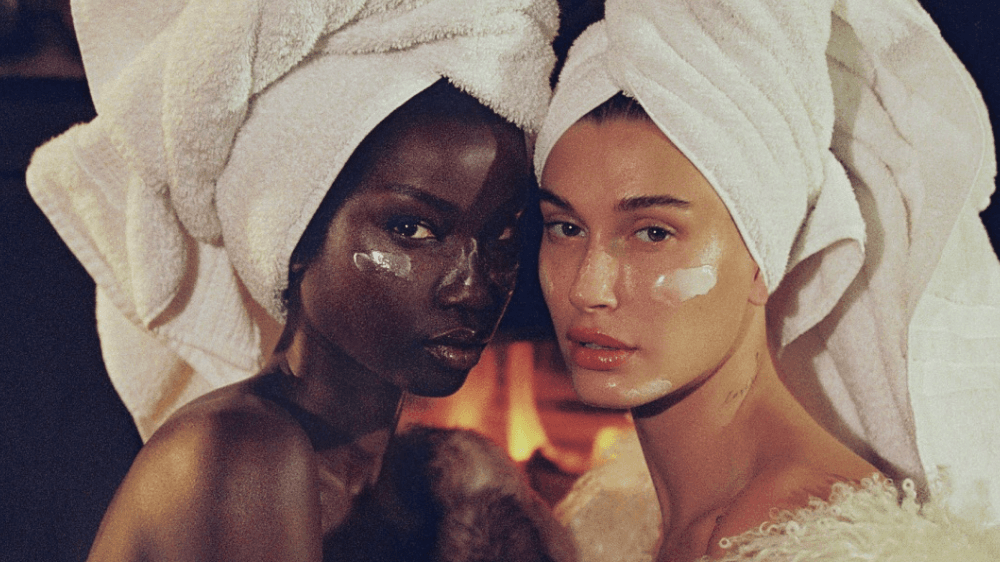
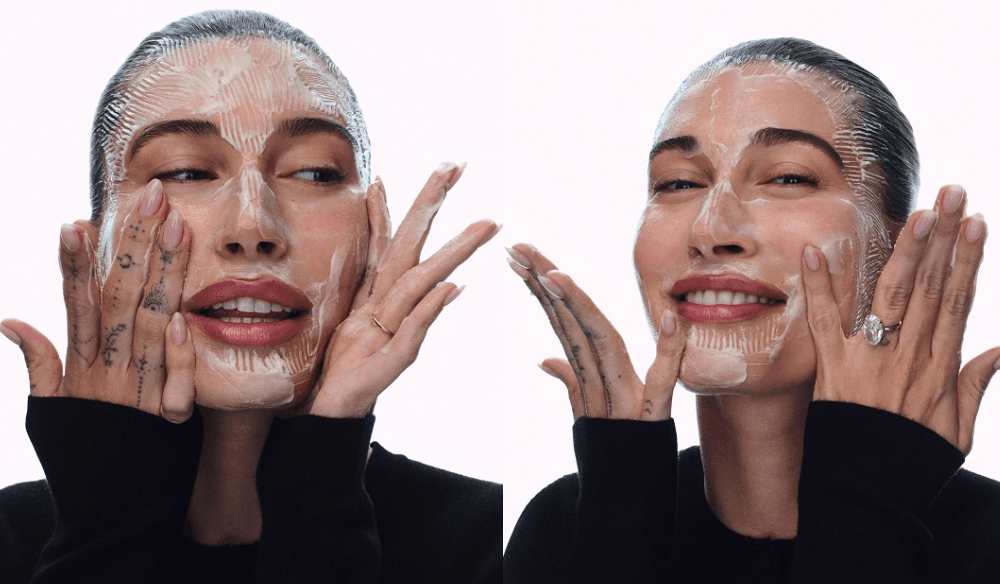
Authenticity has become a visual language.You can see it in the framing of modern beauty campaigns. Rhode, Hailey Bieber’s skincare brand, built its identity around bathroom counter imagery that mirrors the GRWM format itself. Campaign visuals feature glazed skin under natural lighting, lip treatments held casually in hand, products photographed next to everyday objects like iced coffee cups and phone chargers.The aesthetic suggests routine rather than aspiration.
Similarly, Rare Beauty’s campaigns frequently feature creators applying blush or concealer imperfectly, the brush strokes visible. The brand’s imagery prioritises relatability over precision, reinforcing the idea that beauty belongs inside everyday life rather than outside it.Even prestige brands are adapting.
Dior Beauty, increasingly present in creator routines, now integrates behind-the-scenes routine content into campaign ecosystems — showing products applied in dressing rooms and backstage environments rather than purely cinematic settings.
But when authenticity becomes aesthetic, audiences inevitably begin to question it.If every campaign looks like a routine, what actually counts as one?The result is a subtle but important shift: audiences now look for continuity over time.One GRWM video recommending a serum might spark curiosity. But a product appearing repeatedly across months of routines signals something stronger — actual use.
“Gen Z rewards personality, but only after evidence,” the State of Beauty report notes. Reviews, tutorials and wear tests consistently outperform aspirational storytelling when it comes to purchase influence.Brands have begun building campaigns around this behaviour.
K18, the biotechnology-led haircare brand, frequently collaborates with creators who demonstrate microscopic hair repair under magnification. The imagery resembles scientific documentation more than advertising.
Meanwhile La Roche-Posay’s partnerships with dermatologists often centre on clinical demonstrations filmed inside treatment rooms rather than studio sets.These campaigns do something unusual in beauty marketing.They invite scrutiny. And that scrutiny builds credibility.

Perhaps the most surprising finding in the Kyra research is where influence no longer comes from.Celebrity endorsements — once the backbone of beauty marketing — now play a remarkably small role in purchase decisions among Gen Z.
Instead, consumers prioritise relatable creators and experts, who together account for the overwhelming majority of influence signals.The hierarchy of beauty authority has inverted.Where once fame implied credibility, credibility now comes from familiarity or expertise.“Brands cannot apply one influence playbook across generations,” says Annie Probert, Head of International Marketing & Go-To-Market at Marc Jacobs. “Relevance comes from building layered trust systems across creators, CRM and community.”
Influence is no longer a moment.It is infrastructure.
Understanding how influence operates at this scale requires more than tracking viral moments.It requires analysing patterns.Which products appear consistently across routines? Which brands continue circulating months after launch? Which creators quietly return to the same formulas long after sponsorship cycles end?
These signals reveal how beauty culture actually behaves.Platforms like Kyra analyse billions of creator posts to identify those patterns, mapping where brand conversation is accelerating, stabilising or beginning to decline.Preference rankings show what consumers say they buy today.Creator behaviour often reveals what they are starting to trust tomorrow.
GRWM videos are unlikely to disappear. If anything, they are becoming even more central to how beauty moves through culture.But the conditions around them have changed.Audiences still want personality. They still want intimacy. They still want the sense of watching someone’s life unfold in real time.What they no longer accept automatically is the recommendation itself.
Gen Z watches creator routines with the attentiveness of investigators — looking for patterns, inconsistencies and proof of long-term use.Which means the future of beauty influence will belong to brands that understand one simple rule.Not every product needs to go viral. But every product needs to survive the routine.
For marketers, understanding the audit era requires a new way of reading influence.Visibility alone is no longer enough. What matters is how products behave across creator ecosystems over time.Which brands continue appearing months after launch? Which remain embedded in routines? Which fade once the campaign ends?Kyra’s Predictive Index, built from billions of creator posts, tracks exactly these patterns.
The system maps three key signals across beauty categories:

These patterns reveal something the feed alone cannot.Where the next shift is forming.
Gen Z still loves beauty culture.They still follow creators. They still enjoy product discovery. They still participate in trends and routines.But the relationship between hype and belief has changed.Products are now watched the way investors watch markets.Patterns matter.Consistency matters.Proof matters.Beauty is no longer just an economy of attention.It has become an economy of verification.And in the audit era, the brands that win are not the ones that trend.They are the ones that pass inspection.
Subscribe to our newsletter for weekly influencer marketing insights, trends, and data-driven strategies.