By Kyra Intelligence
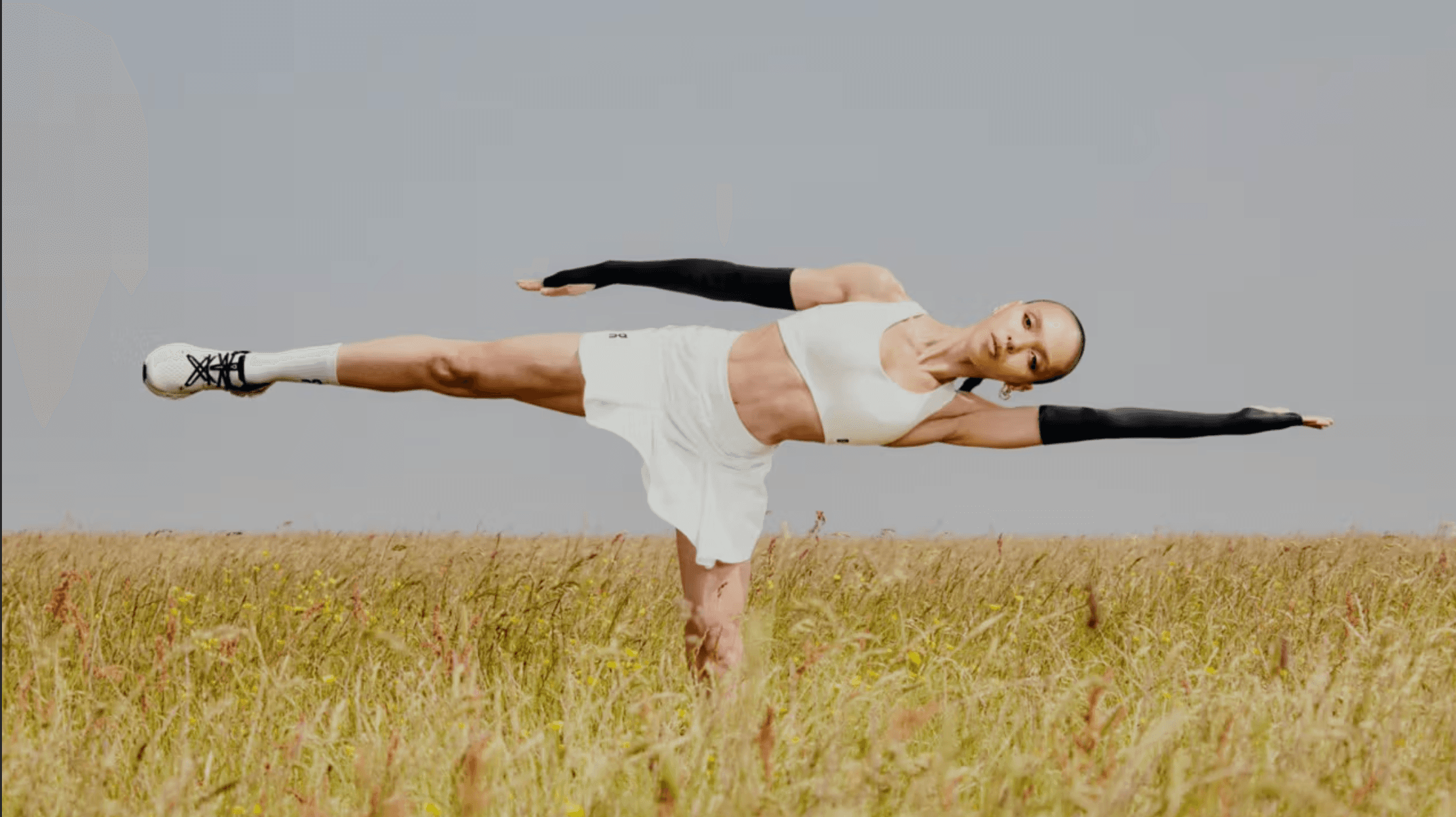
For most of the last decade, fitness culture sold a simple idea. The body was a project: something to work on, improve, and eventually reveal. It became a visible marker of discipline and ambition, with progress moving in straight lines, motivation assumed, and transformation positioned as the reward for effort.
That story doesn’t quite land anymore. People still care about movement, but they live inside very different conditions. Burnout is common. Money feels tight even when things look fine. The future feels less like a plan and more like a question. As daily life becomes harder to stabilise, the role movement plays in it shifts too. Fitness is no longer about becoming something new; it’s about staying upright.
That shift matters because it’s already changing what people respond to. An industry built around visible progress is running into an audience far more concerned with durability than display.
Why virality feels weaker
This shift also helps explain why virality no longer carries the same weight in fitness anymore. Moments of intensity still break through, but they fade faster than they used to. What carries forward now isn’t novelty, but the quiet comfort of something that shows up again tomorrow.
The creators building long-term attention have moved away from promising transformation. They’re offering structure instead: familiar formats, predictable rhythms, the same walk, the same stretch, the same reset repeated openly so others can borrow the pattern. People respond in kind. Attention holds when someone is there consistently, without asking for extra energy. Reassurance travels further than inspiration right now, because reassurance is something people come back to.
Fitness as infrastructure
Seen clearly, fitness is no longer functioning mainly as lifestyle expression. It’s functioning as behavioural infrastructure. It helps regulate energy, gives shape to time, and maintains coherence when other systems feel loose or unreliable. When institutions wobble, the body becomes the smallest system people can still govern.
This is why routines are replacing resolutions, why creators who show up daily outperform those who appear occasionally, and why discipline has overtaken desire as the dominant frame. It also explains why so much fitness language suddenly feels off. Brands still selling transformation are speaking to a psychological moment that has already passed. “Become your best self” assumes optimism about the future, and many people aren’t starting from there anymore. What they want instead is something quieter, steadier, and more usable. Something that holds.
The Movement Operating System
What’s forming here is a system. The Movement Operating System describes how fitness now works as an underlying layer that helps people stay operational inside a volatile world. It isn’t about movement as identity or aspiration, but movement as support.
Because it’s infrastructural rather than expressive, it behaves differently. It rewards showing up over showing off, stability over intensity, and continuity over reinvention. Once you notice this shift, it becomes difficult to ignore how widely it has already taken hold.
Why this exists and why Kyra can see it forming
Across billions of creator videos and millions of repeated routines, the signals around fitness began to change. Not loudly and not all at once, but steadily. Formats settled. Language softened. Cadence started to matter more than reach. The same movements, resets, and rituals kept appearing across creators, markets, and platforms.
Patterns like this don’t surface through isolated campaigns or short-term spikes. They become visible only when behaviour is tracked continuously, over time and across geography, without chasing novelty. That’s the lens Kyra operates with.
Our infrastructure is built to read influence as a system rather than a series of moments. We pay attention to repetition, retention, and the gravity of habits, not just bursts of engagement. That’s how it becomes possible to see when a category stops selling aspiration and starts providing support.
The Movement Operating System was visible in the data before it had language. What formed first wasn’t a trend waiting to be named, but a structure already organising how people stay functional under pressure. This piece exists to make that structure legible while it’s still taking shape, because once systems are widely named, they’re already in use.
A clear-eyed analysis of how fitness, movement, and influence are being reorganised — and what that means for brands trying to stay credible in the next cycle.
Part Two examines the brands leading this shift, the ones losing relevance, and who is positioned to take their place.
If movement matters to your category, this is where to start
Download here.
Subscribe to our newsletter for weekly influencer marketing insights, trends, and data-driven strategies.
