The Movement
Operating System
A two-part intelligence report on how fitness is reorganising — from behaviour to brands.
Something is Stabilising.
Across fitness, wellness, recovery, and performance, growth is no longer driven by intensity or aspiration. It is driven by what people can repeat — routines that reduce friction, survive pressure, and fit into everyday life.
This shift is already visible.
The question is whether brands are built to operate inside it.
The Stabilisation Generation
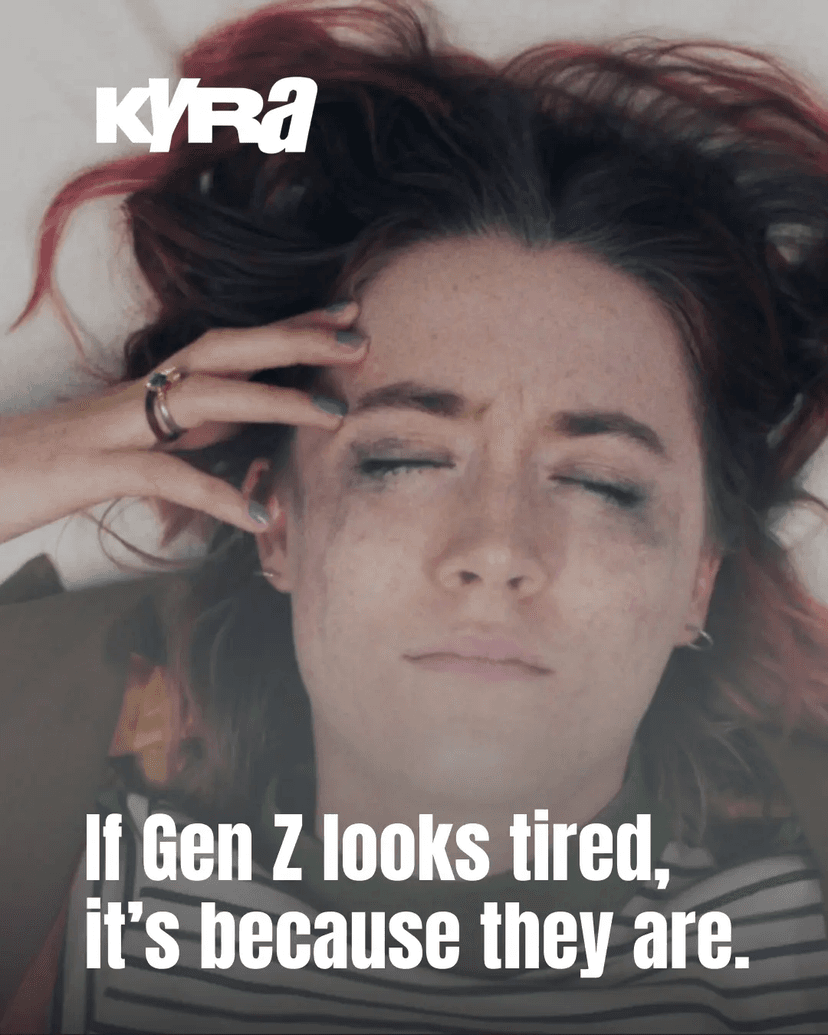
If Gen Z looks tired, it's because they are.
Economic pressure, cognitive load, and cultural saturation have changed how fitness is used. Growth no longer comes from pushing harder or promising transformation. It comes from stability, maintenance, and regulation.
Our analysis shows fitness behaviour consolidating around quieter systems: sleep, recovery, routine movement, and community structures that remove decision-making rather than demand motivation.
This is not a trend cycle.
It's a structural reset.
“Our analysis of over 2 billion TikTok videos reveals a fundamental reframing of what fitness means — and which brands are benefiting from that shift.”
The Movement
Operating System
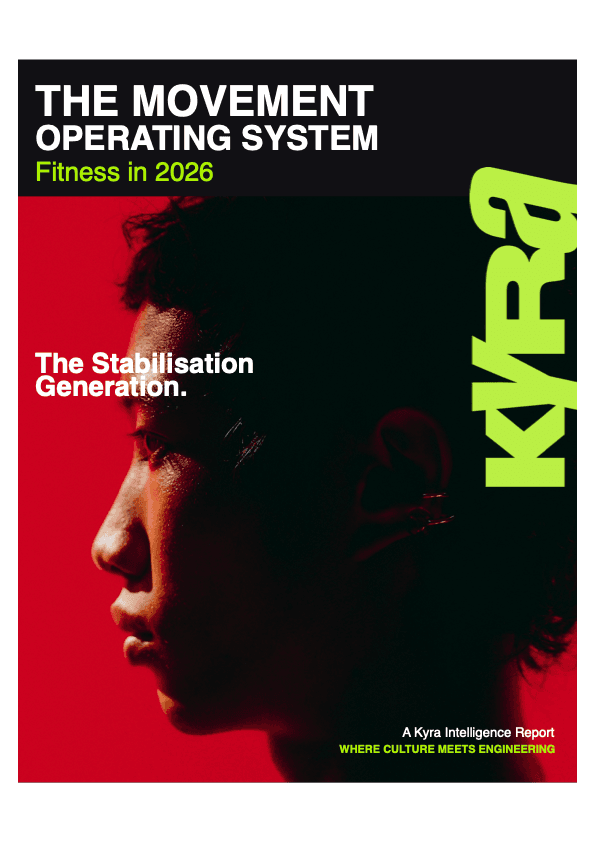
A framework for understanding how people discover, adopt, and sustain fitness practices in an era of uncertainty. For brands, it offers a blueprint for building relevance that lasts beyond any single campaign or product launch.
It explains:

Part One:
Behaviour
& Culture
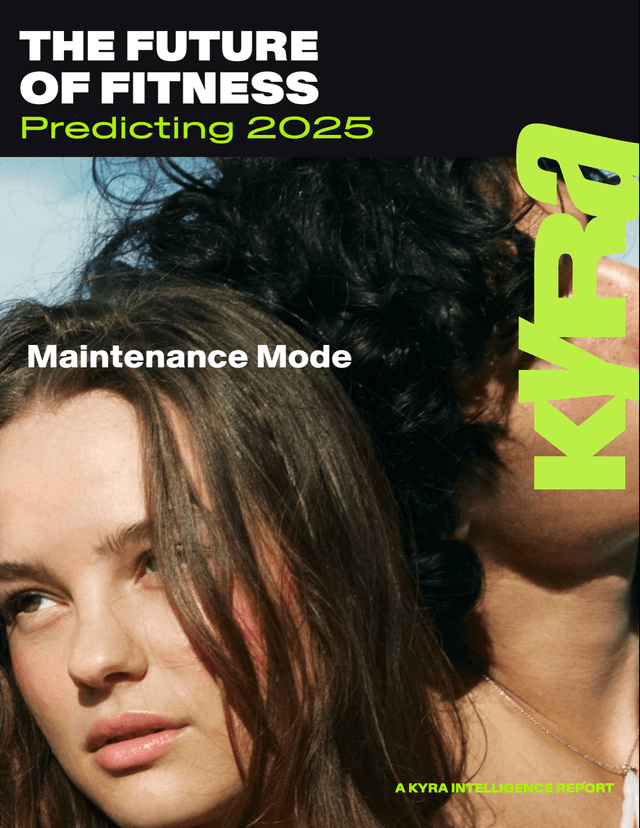
Part One maps the cultural and behavioural shift itself.
It draws on:
This section explains how fitness moved away from optimisation and toward maintenance — and why familiar signals like aesthetics and performance spikes no longer predict long-term growth.
Start here if you want to understand what changed.
Part Two:
From Behaviour
to Brands
Now Live!Part Two translates the cultural shift into strategic implications. It examines how specific brands and categories are adapting — and what that means for positioning, messaging, and partnership strategy.
It examines:
This section includes brand-level analysis across wearables, supplements, apparel, and platforms, with examples spanning established and emerging players including Nike, ASICS, New Balance, WHOOP, Oura, and Strava.
Read this if you want to know who's winning — and why.
“If Part One explains what changed, Part Two shows who is benefiting — and why.”
Access the report: The Movement Operating System
Methodology
This report combines quantitative and qualitative research methods. Survey data was collected from 1,000+ US consumers aged 18-45 in Q4 2025, with quotas for age, gender, and fitness activity level.
TikTok analysis draws on Kyra's proprietary database of 2+ billion videos, using AI-powered content classification to identify trends in fitness-related content, creator behaviour, and audience engagement patterns.