
 LinkedIn
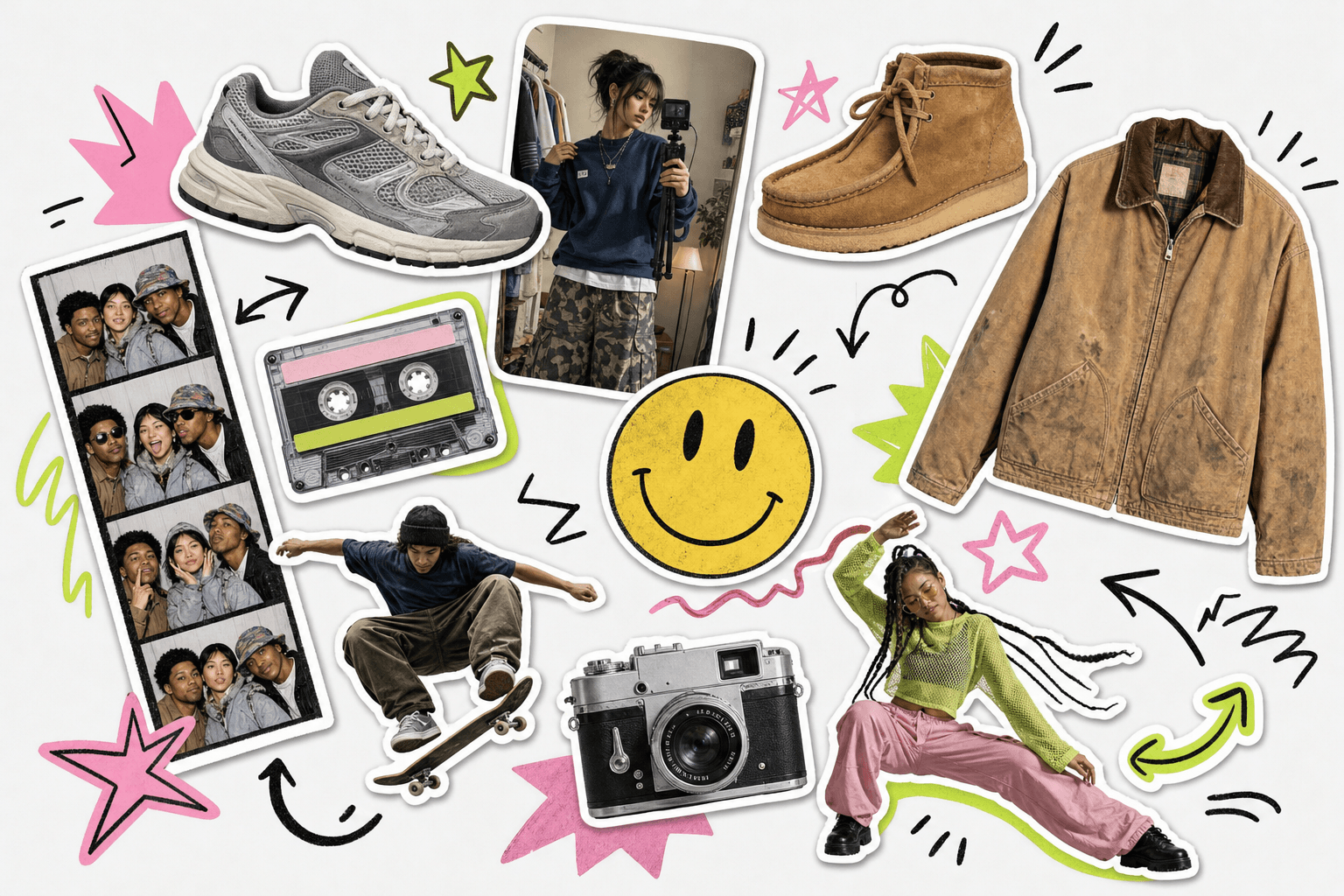
A heritage brand sells its past: the founding date, the original factory, the way things used to be made. A brand with heritage uses that past as raw material for what's next. The product often barely changes. Its meaning does, and culture is what changes it. Usually the people who change it are outside the brand, and today a lot of them are creators.
New Balance's CMO, Chris Davis, says it isn't a heritage brand but a brand with heritage. That line caught my attention, because the pattern behind it keeps repeating in fashion:

None of these brands redesigned the product to win a new audience. The product gave culture something to hold on to, and the right people carried it from there.
New Balance famously embraced being the dad shoe. Now it leads in both performance and lifestyle, because it hands its product to people who tell stories with it: Bukayo Saka in the Furon v8 boot, Aimé Leon Dore pulling the 1000 out of the archive. It's on course for a record $10bn in revenue this year, growing faster than Nike.
Davis put the approach in one line to Forbes: "As we get bigger, we have to continue to think smaller." You can see it in how New Balance picks partners. Considered collaborations over mass campaigns. A short list of ambassadors (Shohei Ohtani, Coco Gauff, Saka, Jack Harlow) rather than a long one.
Stewart Rawle, Kyra's Chief Commercial Officer, wanted to know if "thinking smaller" applied to its creator marketing too. We looked at 12 months of paid creator posts on TikTok and Instagram. It does, quite literally. Compared with Nike, Adidas and Puma, New Balance uses fewer famous faces and more smaller creators with highly engaged communities.
Pentland Brands runs a similar play. It spent the last few years reminding everyone that Berghaus belongs to rave and terrace culture as much as to hill walking. Now Kickers is getting the same treatment, because the Kick Hi has been living a double life for decades:
Pentland's playbook seems to be: don't invent a story, go and collect the one that's already written. Then hand the product to the people writing the next chapter. For Berghaus that was Liam Gallagher. For Kickers it's Eliza Rose. And it's running the same play with Ellesse, built on its 1959 origin story.
Miu Miu does a version of this from the other direction. It takes athletic heritage and passes it through its own lens: the ballerina-cut New Balance, upcycled vintage Wrangler denim. Its retail sales fell for the first time in four years, but over the 90 days to late October, creator posts on TikTok and Instagram mentioning Miu Miu pulled 2.7 times the views of posts mentioning Prada. Cultural heat and revenue don't always move together. The creator layer is often where the heat shows first.
The flip side is what happens when a brand stops handing its product to culture. Golf is a good example. Two years ago Nike had 37% of the golf conversation on TikTok. Today it has 16%. Malbon Golf, a creator-led brand built on culture first, overtook it this spring.
That gap is why On is heading into golf apparel by early 2027, even though its share of the golf conversation today is zero. Its playbook is the one that took it from a Swiss running startup to a company targeting $7bn in sales: partner with elite athletes, build the product around them and borrow their cultural credibility.
Nike seems to know it. Its recent moves read like a legacy giant thinking like a challenger again: Jordan Brand returning to a scarcity model with fewer retro releases, a 5,000-woman night run at London City Airport with PinkPantheress, and handing the Shox R419 campaign to Corteiz. The hard part is joining those communities without looking like you're borrowing their cool.
Three things come up again and again:
A great product gives culture something to hold on to. The right people carry it from there.
A brand whose value rests on its history: how long it has existed, where it started and how its products were first made. Many heritage brands sell that past directly, through archive designs and founding stories.
A heritage brand sells its past. A brand with heritage uses its past as raw material for something new, usually by letting new communities adopt the product and give it a new meaning. New Balance's CMO describes the company as the second kind.
New Balance (from dad shoe to lifestyle brand through collaborations like Aimé Leon Dore), Carhartt (from workwear to skate and hip hop), Clarks (the Wallabee in Jamaican dancehall) and Kickers (the Kick Hi in acid house and Britpop).
They put an old product in front of a new community in a way the brand's own ads can't. Brands that do this well tend to work with fewer, more closely matched creators and ambassadors, and they track their share of the social conversation as an early sign of whether it's working.
Subscribe to our newsletter for weekly influencer marketing insights, trends, and data-driven strategies.
