By Kyra Intelligence
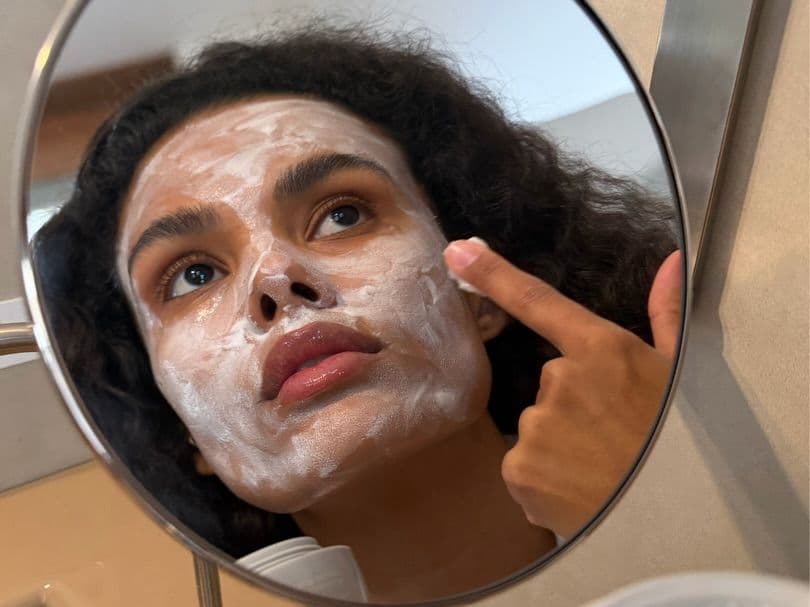
In 2026, the most aspirational beauty signal isn’t makeup. It’s healthy skin.
Ten years ago, the most recognisable beauty signals were cosmetic.
Contouring palettes, liquid lipstick collections and full-coverage foundations dominated the conversation. Instagram-era beauty celebrated visible transformation, and the internet rewarded makeup artistry that could reshape a face in minutes.
Today the signals look very different.
Among Gen Z, the most desirable beauty aesthetic is defined less by makeup and more by the quality of the skin beneath it. Across TikTok, Instagram and YouTube, the ideal complexion now appears almost unfinished. Skin looks luminous but natural, makeup is minimal or absent entirely, and the glow suggests hydration, barrier repair and long-term care rather than cosmetic coverage.
The aspiration has shifted beneath the makeup.
According to Kyra’s State of Beauty 2026 report, skincare now sits at the centre of Gen Z beauty routines. More than 75 percent of consumers maintain a daily skincare ritual, and a majority say skin health influences their product choices more than aesthetic trends.
A well-maintained complexion has become its own form of cultural currency.
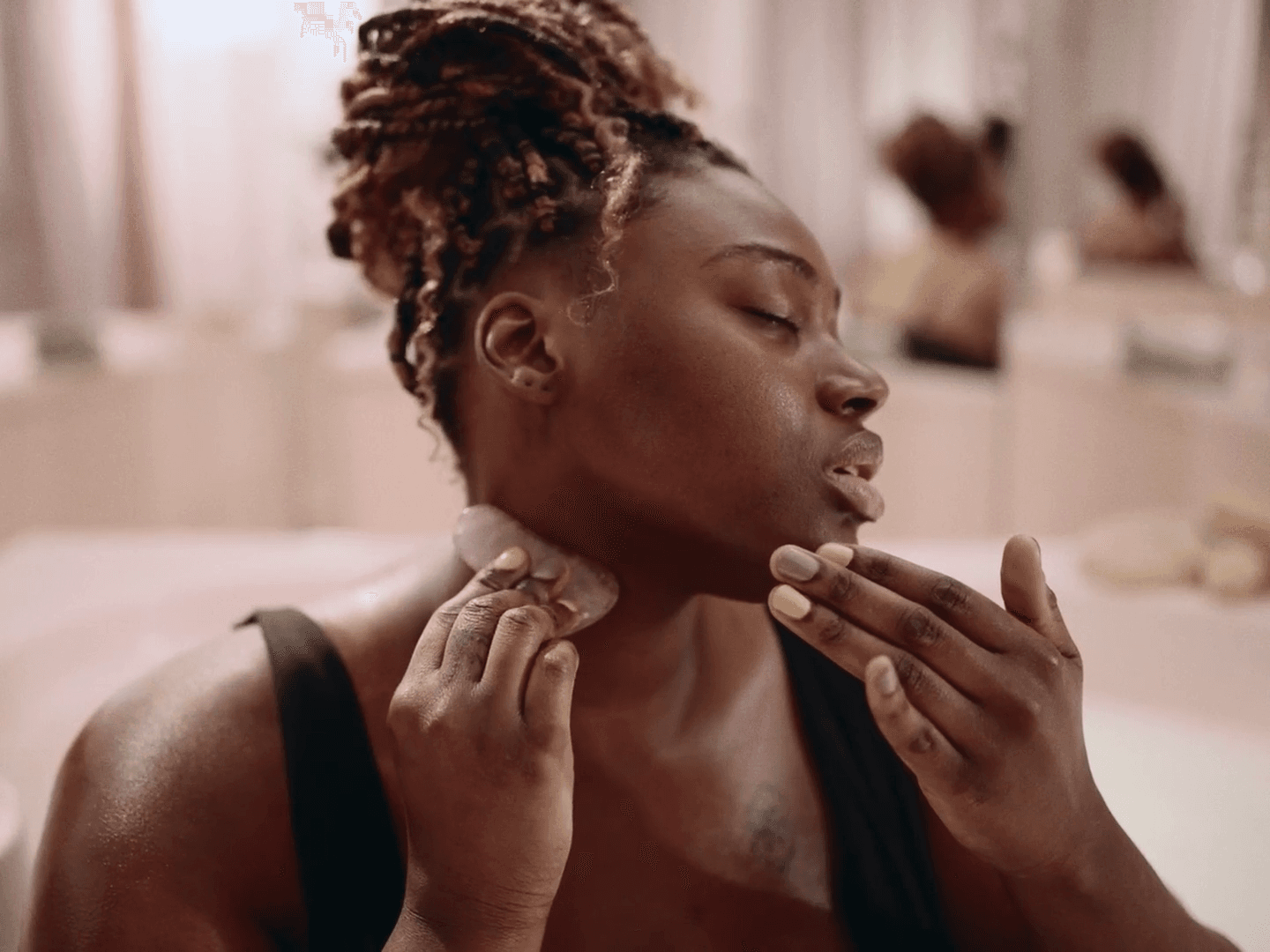
The growing focus on skin health reflects a decade of education happening across the internet.
Dermatologists, cosmetic chemists and skincare specialists have built significant followings by explaining the science behind formulations. Ingredient breakdowns and barrier-repair tutorials circulate widely across TikTok and YouTube.
As a result, the language of skincare has become part of everyday conversation.
Terms such as ceramides, peptides, niacinamide and microbiomes appear regularly in comment sections and routine videos. Discussions about inflammation, hydration and skin barrier damage now sit alongside makeup tutorials and product reviews.
Gen Z audiences have grown up watching dermatologists explain the biology of skin in short-form videos. They understand that many visible concerns begin below the surface.
This knowledge has changed how beauty is evaluated.
Healthy skin now carries its own aesthetic appeal.
Campaign imagery across the beauty industry increasingly reflects this shift.
Rather than presenting dramatic transformations, many brands now emphasise natural skin texture and hydration. Lighting is softer, makeup application lighter and skin details more visible.
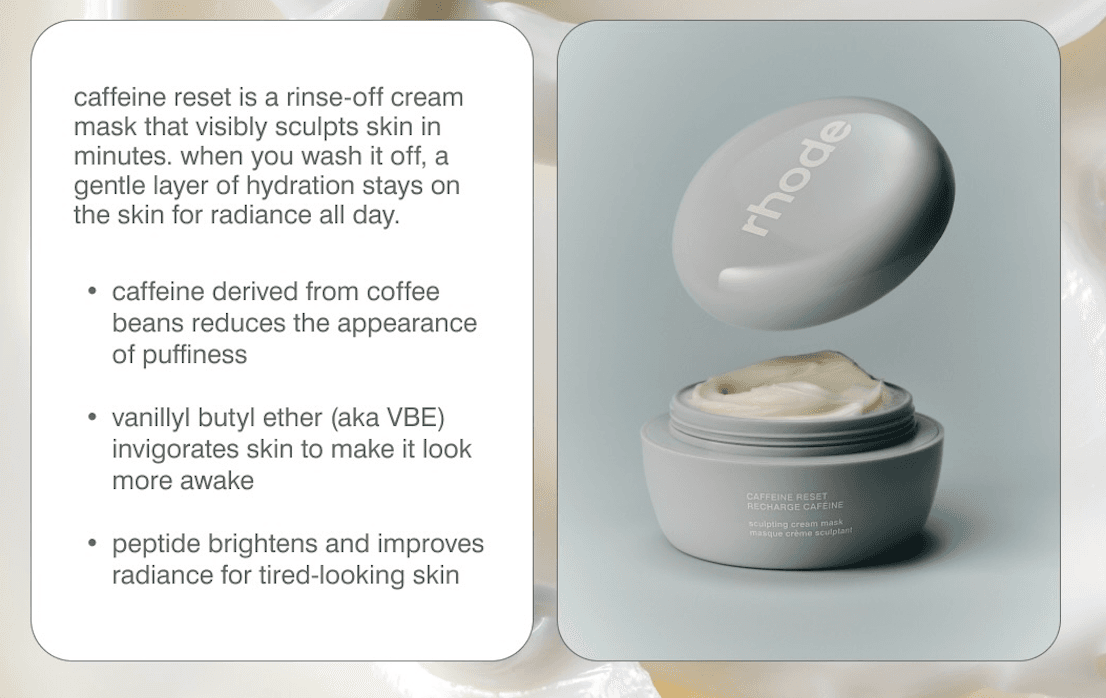
Rhode, the skincare brand founded by Hailey Bieber, built its identity around the idea of “glazed skin.” Campaign visuals show luminous complexions photographed in natural light, with close-up imagery that highlights hydration and smooth texture rather than heavy coverage.
Rare Beauty has also embraced this direction. Its campaigns often feature models and creators wearing minimal complexion products, allowing freckles and natural skin tone to remain visible. The brand frames makeup as something that enhances skin rather than conceals it.
Luxury houses have moved in a similar direction. Recent Dior Skin and Chanel Beauty campaigns frequently present models with minimal makeup and highly visible skin texture, photographed in close-up lighting that emphasises luminosity and hydration.
The aspirational image increasingly resembles real skin.
The growing influence of dermatology creators has played a significant role in shaping these aesthetics.
Dermatologists now command large audiences on TikTok and YouTube, where they explain acne treatments, inflammation triggers and barrier repair routines. Cosmetic chemists analyse ingredient lists and explain how different formulations interact with the skin.
Their authority comes from explanation as much as recommendation.
In Kyra’s State of Beauty research, educational beauty content consistently ranks among the most trusted formats. Tutorials and ingredient breakdowns influence purchase decisions more strongly than purely aspirational beauty imagery.
Consumers increasingly want to understand how a product works before they commit to using it.
“Today’s beauty consumer is incredibly informed,” says Laura Steffanut, PR, Media & Influence Director at Armani Beauty, who contributed to the report. “They are researching ingredients and routines with a level of curiosity that would have been unusual even a few years ago.”
The skin-first movement has also gained momentum through pop culture.
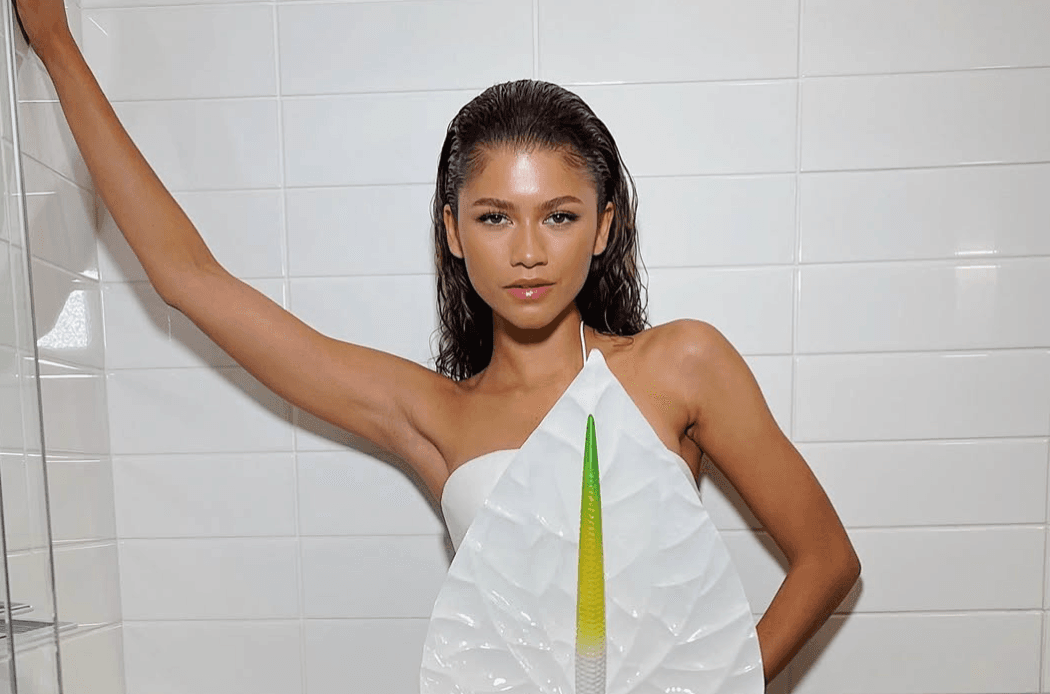
Celebrities frequently share bare-faced skincare routines on social media. Figures such as Hailey Bieber, Zendaya and Bella Hadid regularly appear without heavy makeup, often discussing hydration, barrier care and minimalist routines.
Editorial fashion photography has also embraced the aesthetic. Recent magazine covers and campaigns increasingly highlight luminous skin under natural lighting rather than dramatic makeup looks.
At the same time, wellness culture has reinforced the connection between skincare and overall health. Conversations about sleep, stress, diet and hydration often appear alongside skincare routines.
Beauty and wellbeing now overlap more visibly than before.
One reason healthy skin has become such a powerful beauty signal is the consistency required to maintain it.
Unlike makeup trends that can be adopted quickly, skincare results develop gradually through repeated routines. Cleansing, moisturising and sun protection must be applied consistently for weeks or months before changes become visible.
Kyra’s research reflects this behavioural pattern. Morning and evening skincare routines remain among the most consistent rituals in Gen Z beauty behaviour, often performed every day regardless of changing trends.
Because these routines occur so frequently, the products involved become closely associated with everyday life.
A clear complexion often reflects months of small decisions rather than a single purchase.
Several beauty brands have gained cultural traction by focusing specifically on skin barrier health.
CeraVe and La Roche-Posay, both widely recommended by dermatologists, appear consistently across creator routines discussing hydration, sensitivity and barrier repair. Their products have become familiar reference points within skincare conversations.
Brands such as Drunk Elephant built their identity around formulation philosophy and ingredient compatibility, encouraging consumers to think about skincare as a coordinated system.
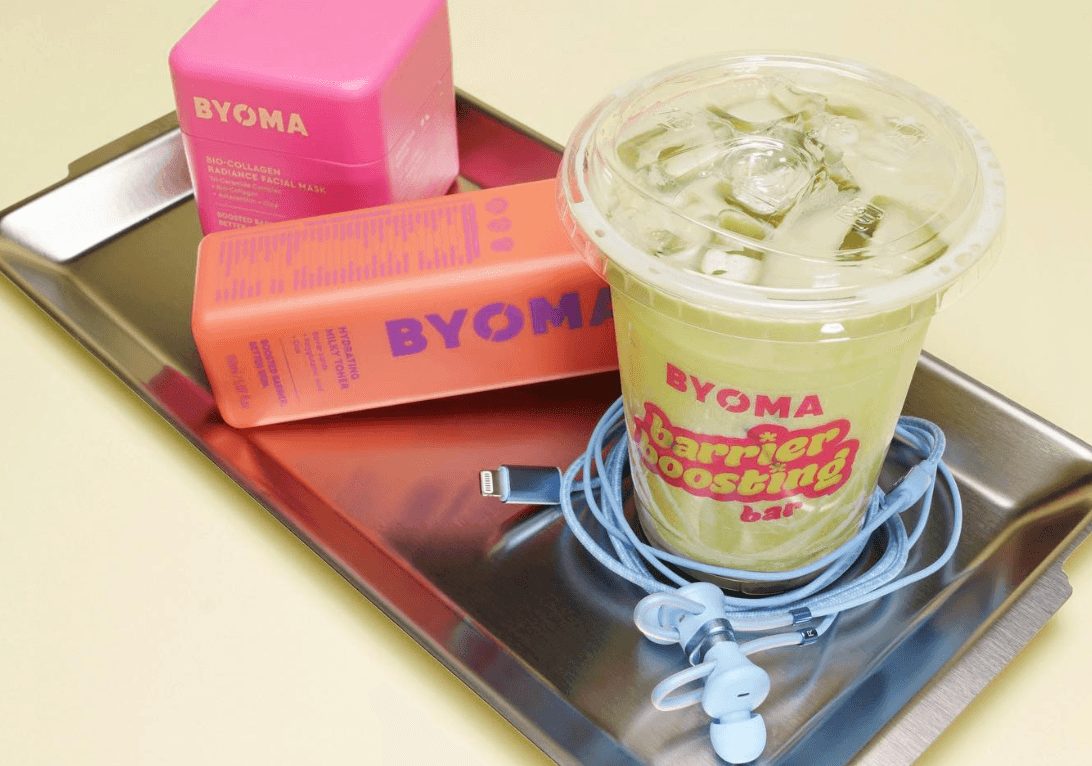
Newer brands including Rhode and Byoma have centred their messaging on barrier repair, developing product lines designed to strengthen the skin’s natural protective layer.
These brands position skincare as long-term care rather than quick transformation.
Understanding where skincare culture is heading requires looking closely at creator ecosystems.
Platforms such as Kyra analyse billions of creator posts and brand mentions, tracking how frequently certain topics appear across routines, ingredient discussions and tutorial content.
This data reveals patterns that are often invisible at the campaign level. Conversations around hydration, barrier repair and microbiome health have continued to grow steadily across multiple creator communities.
The Kyra Predictive Index highlights these shifts by mapping categories where creator conversation is gaining momentum.
Consumer surveys reveal what people say they like. Creator behaviour often shows which ideas are shaping routines in real time.
Beauty trends will always evolve quickly. New aesthetics will continue to circulate through social media at extraordinary speed, yet the most aspirational beauty signal of the moment feels surprisingly understated.
Healthy skin requires patience, consistency and knowledge. It develops gradually through routines rather than appearing instantly through cosmetics.
In 2026, the most desirable beauty look is no longer the most dramatic.
It is the one that appears effortless and increasingly, that effortless look begins with the health of the skin barrier.
Subscribe to our newsletter for weekly influencer marketing insights, trends, and data-driven strategies.
