By Kyra Intelligence
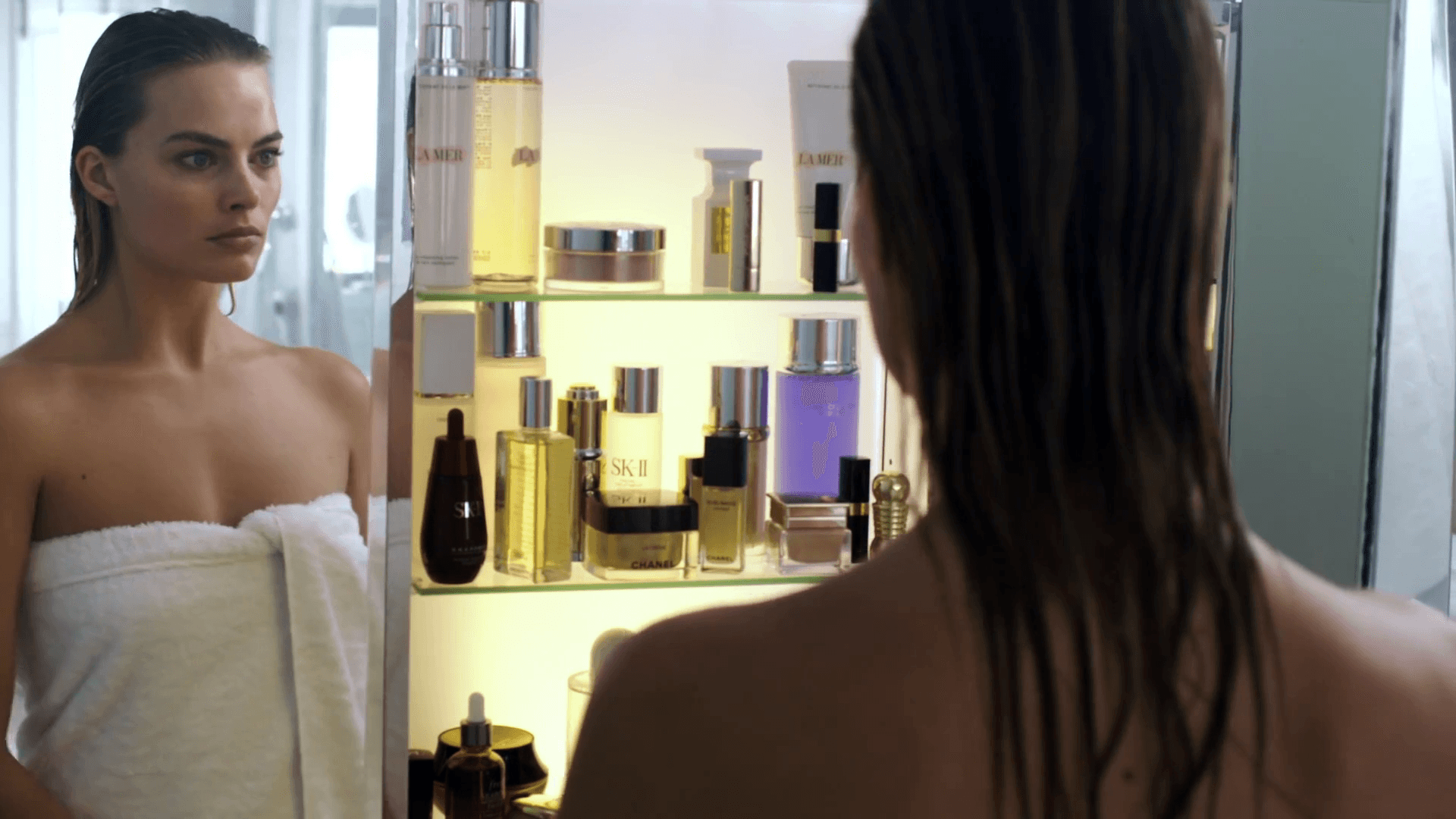
Every few weeks the internet introduces a new aesthetic that promises to define the moment: glass skin, latte makeup, tomato girl summer, strawberry makeup. Social media has become remarkably efficient at naming beauty trends, circulating them across TikTok, Instagram and YouTube with astonishing speed. But the most consequential shift happening in beauty right now does not have a catchy name. It is consistency.
According to Kyra’s State of Beauty 2026 report, Gen Z beauty culture moves rapidly online but behaves far more deliberately in real life. Discovery happens through social media at enormous scale, but loyalty forms slowly through repetition. In the UK sample of the research, 78.8 percent of Gen Z consumers say influencers and social media shape their beauty purchases, yet the products that dominate routines tend to appear repeatedly across months of creator content rather than through one-off viral spikes.
What matters is not simply whether a product appears in the feed. What matters is how often it returns.
The beauty internet has never been louder. TikTok now hosts more than two billion beauty-related posts, while hashtags such as #skincareroutine and #beautytok generate hundreds of billions of views globally. Every day thousands of creators introduce new products, from peptide serums to viral lip oils.
The platform has transformed discovery into a continuous cultural stream.
Yet behaviour beneath that stream follows a different rhythm. In Kyra’s research, more than half of Gen Z consumers still say they prefer purchasing beauty products in-store, while online purchasing sits around 44 percent. The store remains a critical moment in the decision-making process. It is where digital curiosity becomes physical verification.
Consumers examine packaging, compare textures and test shades. Products discovered online are evaluated offline before they enter the routine. This slower evaluation process helps explain why many viral products fail to sustain momentum after their initial surge of attention.
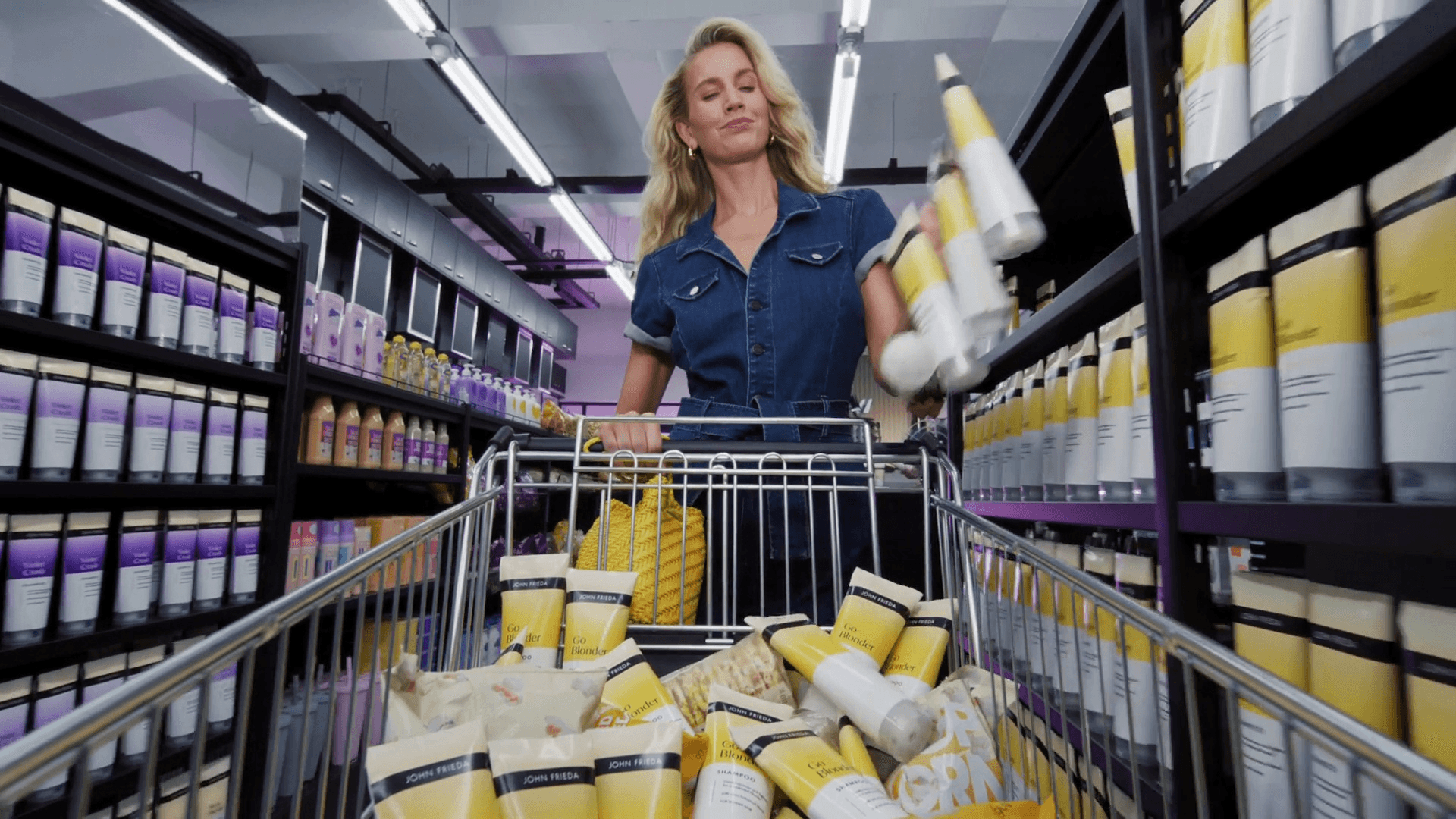
Some of the most culturally durable beauty brands have built their influence around this behaviour.
CeraVe rarely dominates the internet through dramatic viral campaigns. Instead, the brand appears consistently across thousands of creator routines. Dermatologists recommend its moisturisers while explaining skin barrier repair. Skincare creators reference its cleansers while discussing acne treatments. Everyday GRWM videos show the familiar blue-and-white bottles sitting casually on bathroom counters.
The imagery feels unremarkable on purpose. A cleanser placed beside a toothbrush. A moisturiser sitting next to a bedside lamp. These moments accumulate over time, creating familiarity that feels grounded in daily use rather than promotion.
A similar pattern appears with La Roche-Posay, whose creator ecosystem frequently features dermatologists and skin specialists discussing conditions such as rosacea, acne and sun sensitivity. The brand appears repeatedly in these conversations because it has become part of the practical language of skincare advice.
Newer brands have adopted the same rhythm.
Rhode, the skincare label founded by Hailey Bieber, built its visual identity around repeatable rituals rather than dramatic campaign imagery. Its signature lip treatments appear across morning routines, photographed on marble sinks next to iced coffees, lip liners and everyday cosmetics. The brand’s aesthetic mirrors the visual language of GRWM culture itself.
Instead of presenting transformation, the imagery suggests familiarity.
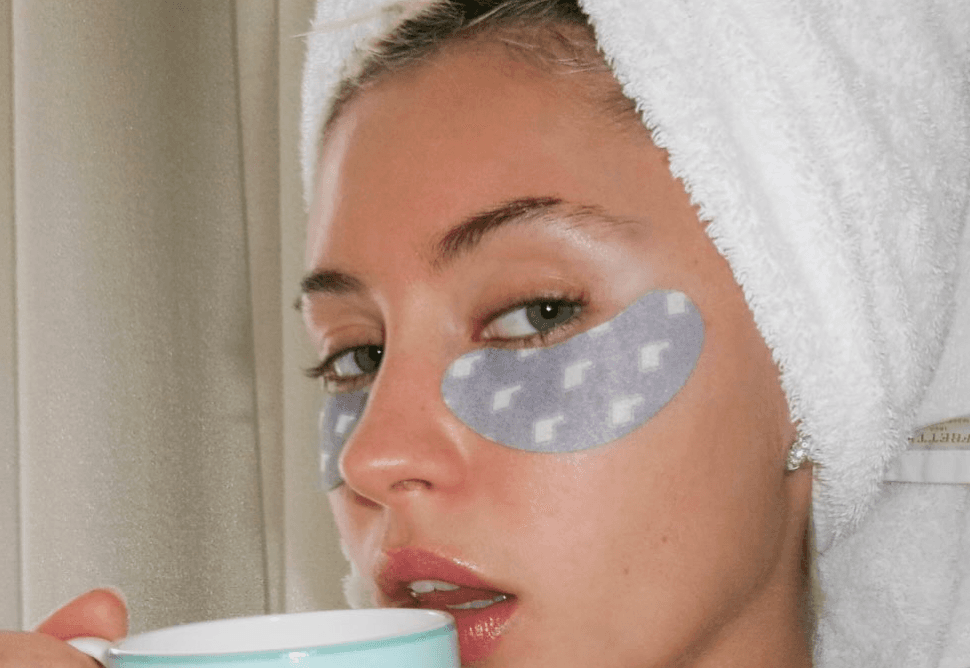
The visual grammar of beauty advertising is changing alongside this behaviour. Increasingly, campaigns present products inside the ordinary rhythms of daily life rather than as aspirational transformations.
Rare Beauty frequently amplifies creator content showing makeup applied quickly before leaving the house, with blush blended using fingers and concealer tapped under the eyes in natural light. The imagery prioritises relatability over perfection.
Glossier, which built its original reputation on everyday beauty rituals, has returned to similar territory in recent campaigns. Creators film routines in bedrooms, bathrooms and kitchens rather than in studios, reinforcing the sense that the products belong inside daily life.
Luxury brands have also begun integrating these cues. Recent Dior Beauty creator partnerships combine cinematic campaign visuals with behind-the-scenes routine footage, showing models applying lip oil backstage before runway shows or makeup artists layering skincare before a fitting.
These images do not simply promote products. They depict products in use.

Certain categories reward repetition more than others.
Skincare operates with remarkable discipline. In Kyra’s research, 75 percent of Gen Z consumers maintain a consistent morning skincare routine, while 73 percent maintain a regular evening routine. Once a product becomes embedded within that pattern, consumers rarely switch without a strong reason.
Bodycare shows even stronger loyalty signals. More than half of respondents say they rarely change hygiene brands, and almost three quarters report that their bodycare routine has remained unchanged for at least six months.
These patterns explain why pharmacy-adjacent brands often perform well in creator ecosystems. They appear repeatedly because they remain part of everyday routines.
Beauty technology reveals another dimension of consistency.
Devices often anchor routines in ways that cosmetic products cannot. Once someone adopts a styling device, it tends to remain in place for years.
In Kyra’s research, Dyson commands more than 50 percent of Gen Z trust in beauty electronics, followed by Philips and Shark Beauty. Together these three brands account for nearly 90 percent of consumer preference within the category.
The dynamic resembles consumer technology more than traditional beauty marketing. When someone buys a Dyson Airwrap or Shark FlexStyle, the device becomes a permanent object on the bathroom counter. Surrounding products may change, but the device itself remains central.
Consistency becomes visible in the object itself.
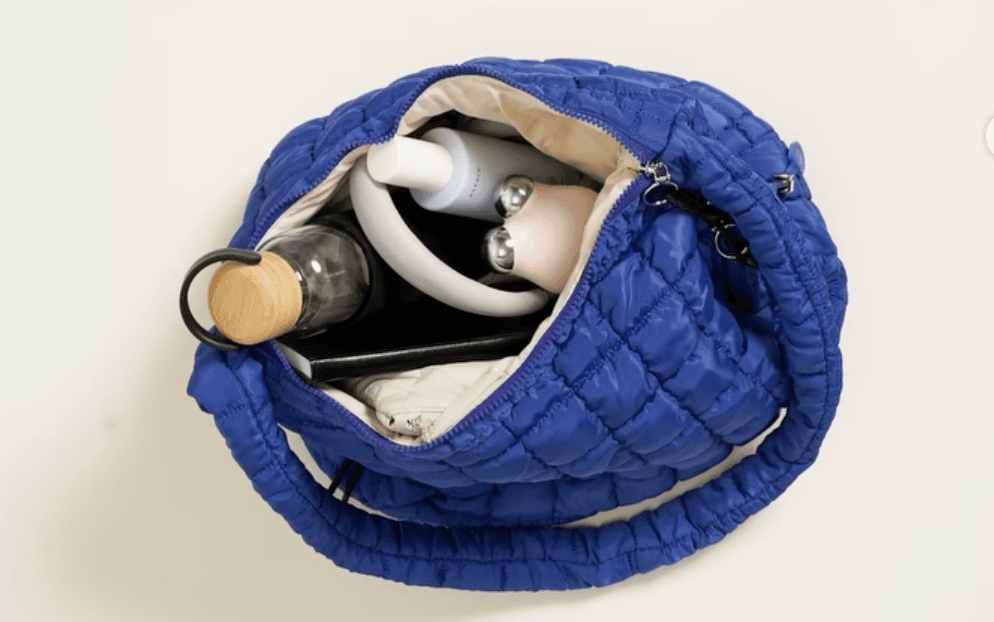
Over the past decade, the beauty industry has invested enormous energy in capturing viral moments. A trending TikTok can sell out a product overnight and introduce a brand to millions of viewers.
But awareness alone rarely creates lasting routines.
Products can trend briefly and disappear just as quickly once the algorithm moves on. The brands that remain visible months later tend to share one common characteristic: they appear consistently across creator routines over time.
Understanding this difference requires a more nuanced view of influence.
Creator intelligence platforms increasingly analyse how products circulate across creator ecosystems.
Kyra’s platform examines billions of creator posts and brand mentions, tracking how often products appear across routines, tutorials and long-form creator conversations. The analysis feeds into the Kyra Predictive Index, which identifies three types of momentum within beauty categories.
Rising Momentum brands are accelerating quickly in creator conversation.Stability Signals indicate brands that maintain consistent visibility across routines.Early Decline Signals reveal brands that remain visible but are beginning to lose cultural traction.
Preference data shows what consumers say they like today. Creator behaviour often reveals which products are quietly becoming part of everyday routines.
Beauty culture still thrives on novelty. New ingredients emerge constantly, while aesthetics circulate rapidly across social media platforms. Yet beneath this surface dynamism lies a more stable behavioural pattern.People tend to use the same products every day.
Gen Z may discover beauty through TikTok at extraordinary speed, but their routines move far more slowly. Products are tested over time before becoming embedded inside daily rituals. This pattern explains why the most durable beauty brands rarely rely on a single viral moment. They appear repeatedly across the routines people perform every morning and every evening. Consistency may not sound like a trend. But in beauty culture today, it has become one of the most powerful signals a product can have.
Walk into a Gen Z bathroom today and the beauty shelf rarely looks accidental. Serums stand beside cleansers in careful rows, hair masks sit next to heat protectants, and styling tools rest beside moisturisers like equipment in a small laboratory. Each product has survived weeks or months of testing before earning its place. Nothing remains indefinitely without justification.
Beauty has always involved experimentation, but the relationship between consumers and products has become far more analytical. Skincare routines resemble small systems rather than collections of impulse purchases. Haircare shelves look increasingly like controlled trials. Products move in and out depending on how well they perform over time.
The bathroom counter has quietly become a form of performance review.
According to Kyra’s State of Beauty 2026 report, Gen Z beauty culture is shaped by discovery but governed by evaluation. In the UK sample of the research, 78.8 percent of Gen Z consumers say influencers and social media shape their beauty purchases, yet the data also shows that loyalty tends to form through repeated use and visible results rather than a single recommendation.
Consumers may discover products through creators, but those products must prove themselves once they enter daily routines.
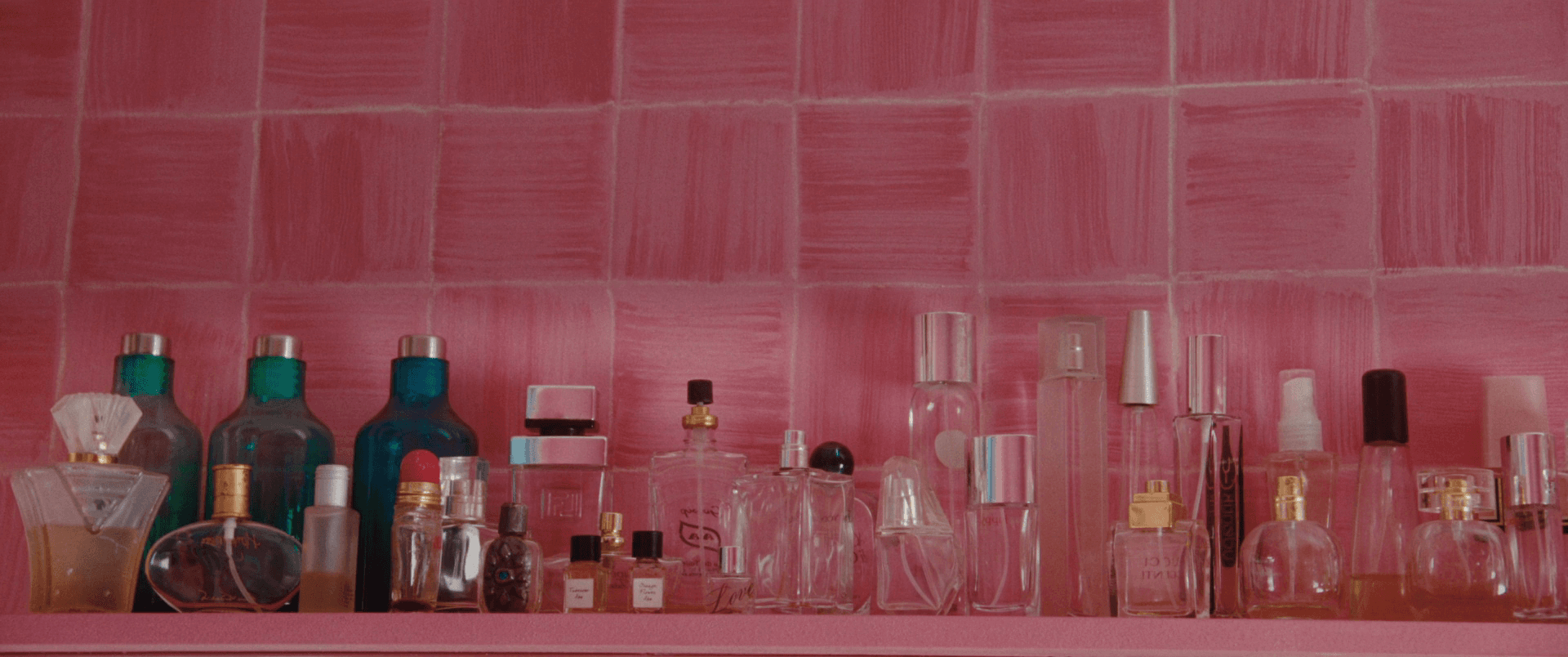
Across TikTok and YouTube, the tone of beauty content has shifted noticeably in the past few years. Creators increasingly approach products like experiments. Serums are tested over thirty days. Hair treatments are documented across multiple washes. Sunscreens are compared under UV cameras.
Many of these videos resemble lab diaries more than traditional tutorials.
This behaviour reflects a broader cultural shift. Over the past decade, audiences have absorbed a remarkable amount of skincare education through the internet. Reddit forums, dermatology creators and ingredient-focused content have introduced a new vocabulary into everyday beauty conversations.
Terms like ceramides, peptides, niacinamide and skin barrier repair now circulate widely across social media. Consumers understand the language of formulations and ingredients with a fluency that would have been rare ten years ago.
Gen Z has grown up inside an ecosystem where beauty knowledge is constantly shared, debated and refined. The result is a generation that approaches beauty products with curiosity and a degree of scepticism.
They expect visible results.
Beauty shelves themselves have become part of the visual culture of the internet. Creators regularly film bathroom tours, “shelfies” and routine breakdowns that reveal exactly which products they use most frequently.
These images function as a form of public documentation.
A half-used moisturiser suggests experimentation. An empty bottle suggests satisfaction. Multiple repurchases indicate something stronger: the product has survived repeated evaluation.
The rise of “empties culture” illustrates this behaviour clearly. The hashtag #empties generates hundreds of millions of views across TikTok, with creators displaying finished bottles of serums, cleansers and foundations. Completing a product has become a form of endorsement that carries more credibility than a first impression.
Finishing a product implies that it performed well enough to justify its place in a routine.
Several beauty brands have built campaigns that align closely with this culture of evaluation.
K18, the biotechnology haircare brand, frequently uses imagery that resembles scientific documentation. Campaign visuals show microscopic images of damaged hair fibres beside repaired strands following treatment. The aesthetic feels closer to a laboratory demonstration than to traditional beauty advertising.
Similarly, Drunk Elephant has built a reputation around ingredient transparency and formulation logic. Its campaigns often emphasise product textures, ingredient layering and the process of mixing formulations within routines. The visuals invite consumers to think about skincare as a system.
Even celebrity-founded brands have adopted this language.
Rhode, launched by Hailey Bieber, presents skincare through highly tactile visuals. Close-up imagery of peptide-rich formulas dripping from droppers or lip treatments melting into skin reinforces the sense that the product’s value lies in its performance.
The campaigns highlight functionality as much as aesthetics.
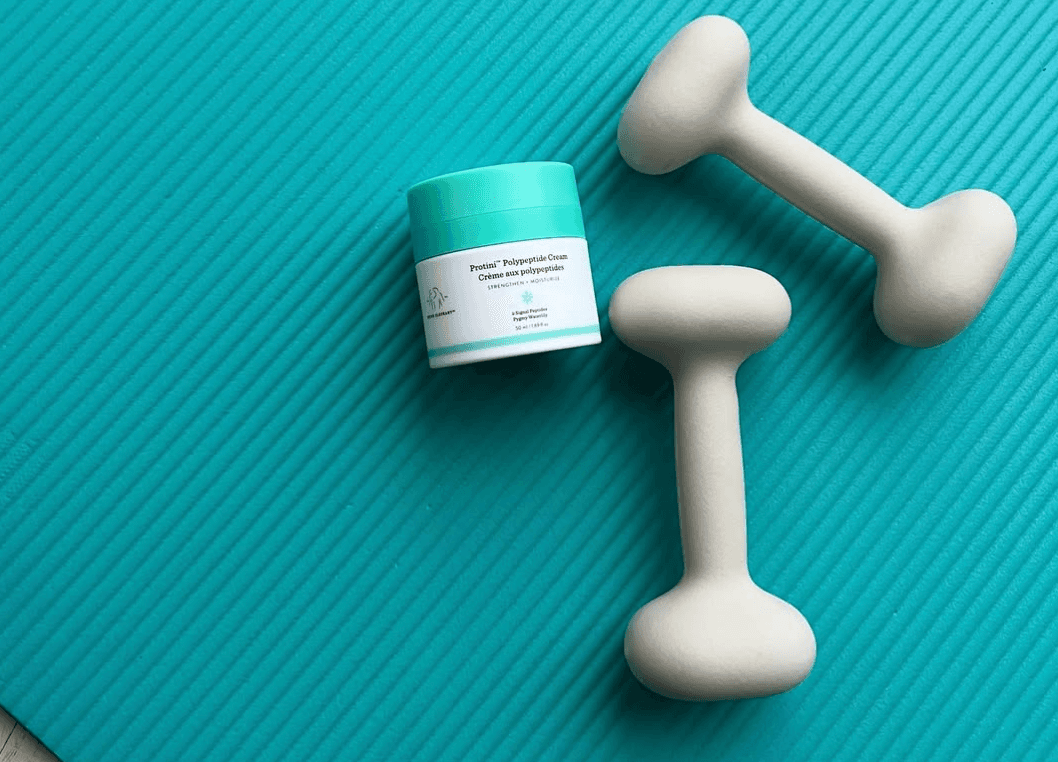
The creators gaining the most credibility within this environment often resemble educators as much as influencers.
Dermatologists explain the causes of acne while demonstrating treatment routines. Cosmetic chemists break down ingredient lists and explain how formulations interact with the skin. Hair specialists demonstrate bond-repair technologies strand by strand.
This style of content aligns closely with the analytical tone of contemporary beauty culture.
In Kyra’s research, tutorials, reviews and product demonstrations consistently rank among the most influential content formats, outperforming aspirational storytelling when it comes to purchase impact. Consumers increasingly seek information that helps them evaluate whether a product will work within their own routines.
As the State of Beauty report notes, Gen Z tends to reward personality once credibility has been established through evidence.
This evaluation mindset is particularly visible in skincare routines. According to Kyra’s research, 75 percent of Gen Z consumers maintain a consistent morning skincare routine, while 73 percent follow a regular evening routine. Because these rituals occur daily, product performance becomes visible quickly.
Haircare has followed a similar path. Bond-repair technologies introduced by brands such as Olaplex and K18 have turned haircare into an observable process where results are documented over time. Consumers frequently compare shine, strength and breakage after weeks of treatment.
Beauty technology reinforces the pattern further.
Devices like the Dyson Airwrap or Shark FlexStyle function as long-term investments rather than impulse purchases. Once adopted, these tools often anchor entire routines around them. In Kyra’s research, Dyson commands more than 50 percent of Gen Z trust in beauty electronics, while the top three brands dominate the category overall.
The device becomes a permanent fixture on the bathroom counter.
The analytical approach to beauty has also entered broader pop culture.
TikTok creators now film “routine audits,” reviewing their own shelves and discussing which products remain essential and which are being removed. Beauty YouTubers have revived long-form wear tests that document foundation performance across entire days.
Even television formats reflect this shift. Programmes such as Glow Up or Skin Decision frame beauty as a combination of artistry and technical expertise, with contestants analysing skin types, formulations and ingredients.
Beauty culture increasingly blends entertainment with experimentation.
For brands, navigating this environment requires understanding how products circulate within creator routines over time.
Platforms such as Kyra analyse billions of creator posts and brand mentions, tracking how often products appear across tutorials, reviews and everyday routines. This type of intelligence helps identify patterns that traditional social listening might miss.
The analysis feeds into the Kyra Predictive Index, which maps brands gaining traction in creator conversations alongside those beginning to lose visibility. Preference surveys capture what consumers say they like in the moment, while creator behaviour often reveals which products are gradually becoming part of everyday routines.
Understanding that difference has become increasingly important for marketers.
Subscribe to our newsletter for weekly influencer marketing insights, trends, and data-driven strategies.
