By Kyra Intelligence
Walk through a beauty retailer in 2026 and the contrast between categories becomes immediately visible. Skincare shelves read almost like pharmaceutical catalogues. Packaging highlights ingredients and formulation science: peptides, ceramides, niacinamide, microbiome balance. Products promise hydration percentages and barrier repair. Makeup has also shifted toward restraint. The prevailing aesthetic across social media celebrates luminous skin, light coverage and subtle enhancement rather than heavy transformation.
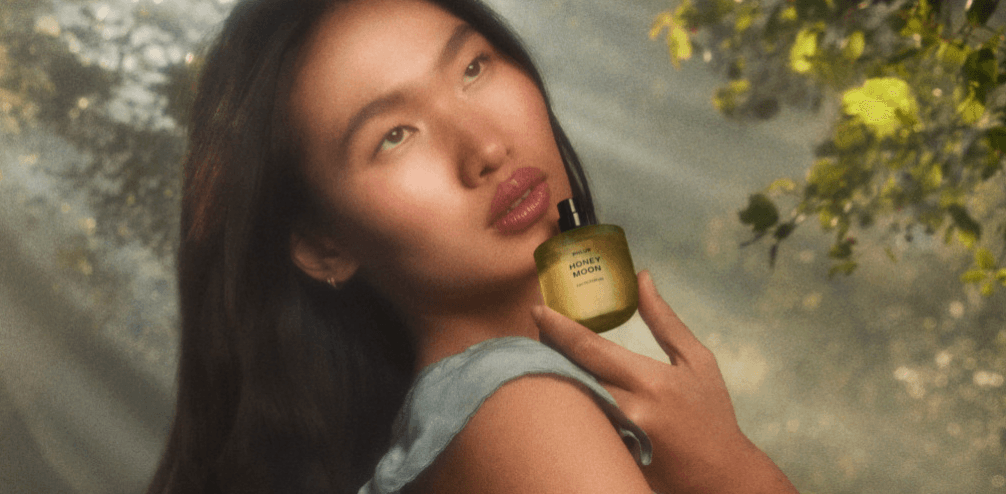
Where skincare promises performance and makeup increasingly embraces naturalism, perfume still trades in atmosphere, fantasy and identity. Bottles resemble sculptural objects, campaigns resemble short films, and the language surrounding scent remains unapologetically emotional.
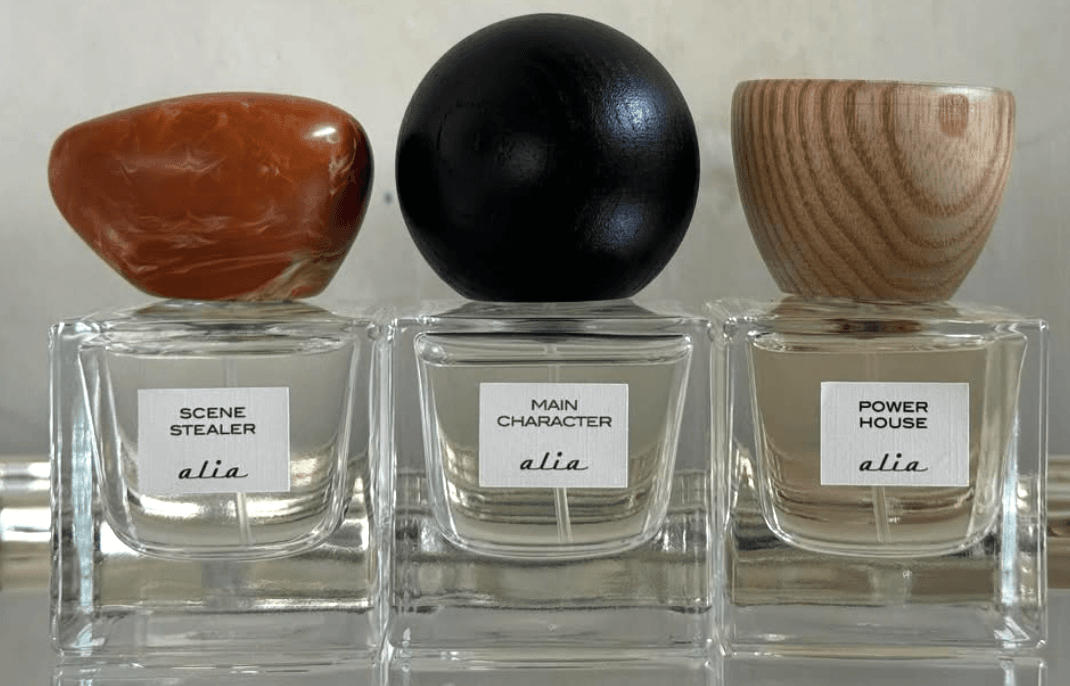
In Kyra’s State of Beauty 2026 report, fragrance stands out as one of the few beauty categories where Gen Z consumers actively seek novelty rather than routine. Skincare routines tend to remain stable once products prove effective. Fragrance purchases behave differently. Consumers experiment with scent more freely, treating perfume as a form of personal storytelling rather than daily maintenance.
The bottle on a vanity table rarely exists for functional reasons alone. It represents a mood, an aesthetic or a memory.
Fragrance has always carried symbolic meaning. Long before the rise of influencer marketing or skincare ingredient education, perfume functioned as a form of personal mythology. Iconic scents such as Chanel No.5, Dior Poison and Thierry Mugler Angel created entire emotional worlds through their advertising and packaging.
While the rest of the beauty industry has moved toward scientific credibility and measurable performance, perfume has largely retained this tradition of narrative and fantasy.
The emotional nature of scent makes it resistant to the logic dominating other beauty categories. Skincare products can be evaluated through visible results or ingredient lists. Fragrance resists that type of analysis because its value lies in experience rather than outcome.
According to Kyra’s research, fragrance remains one of the fastest-growing beauty categories among Gen Z consumers, many of whom build collections of multiple scents rather than committing to a single signature perfume. Younger consumers frequently rotate fragrances depending on mood, season or social context.
In this sense, perfume behaves less like skincare and more like fashion.
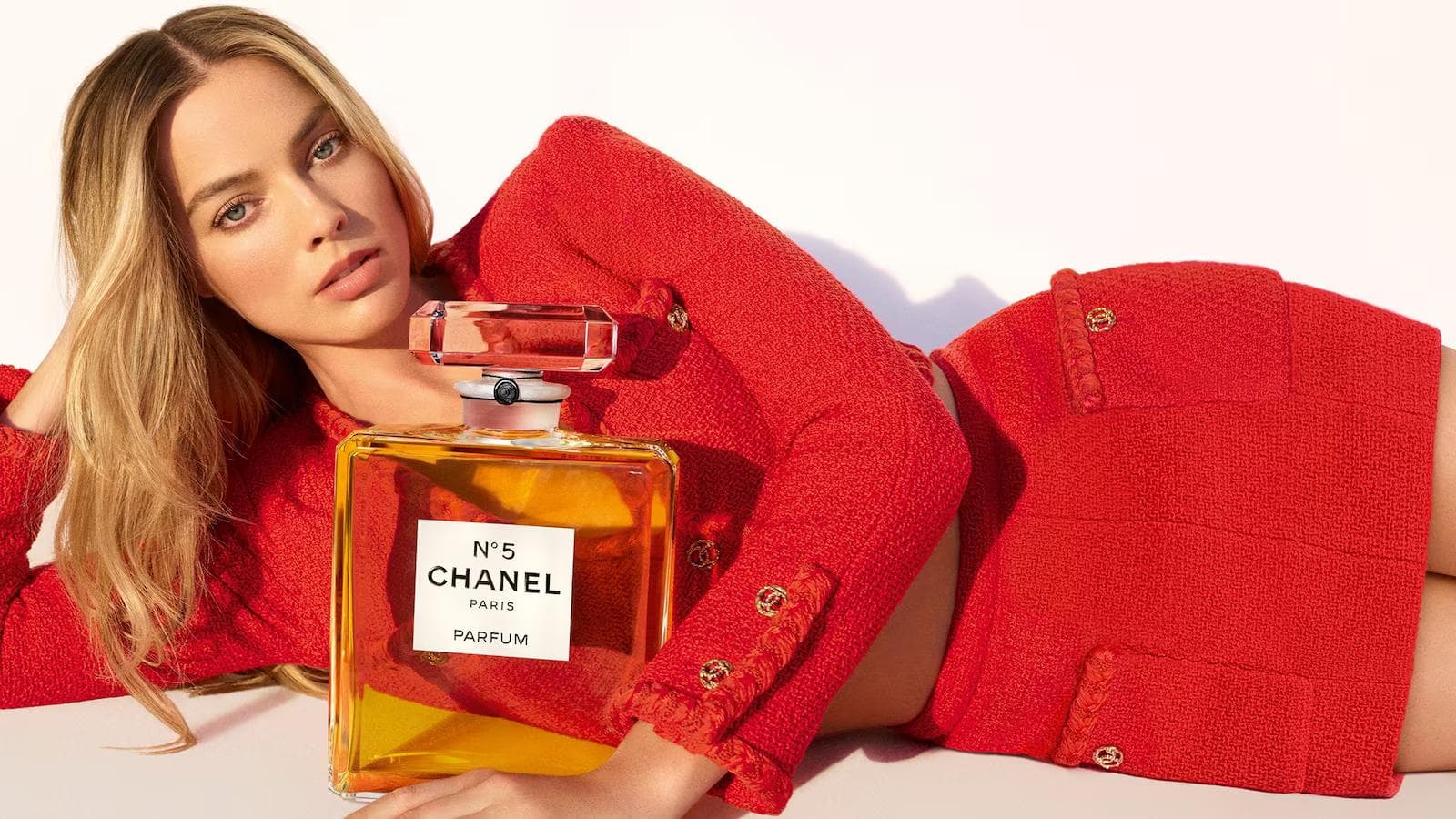
The theatrical quality of fragrance is visible in the campaigns brands continue to produce.Chanel’s fragrance advertising, often directed by filmmakers such as Baz Luhrmann, has long blurred the boundary between advertising and cinema. Lavish set design, dramatic lighting and emotionally charged storytelling transform perfume into something closer to a cultural narrative than a product.
Similarly, YSL Beauty’s Libre campaigns, fronted by Dua Lipa, combine rock-star imagery with expansive desert landscapes and dramatic movement. The campaign visuals evoke independence and rebellion, positioning the fragrance as an extension of personal attitude rather than a cosmetic accessory.
Other brands approach storytelling through nostalgia. Maison Margiela’s Replica fragrances build entire scent identities around evocative moments such as “Jazz Club,” “Beach Walk” or “By the Fireplace.” Campaign imagery recreates scenes that feel familiar and emotionally resonant, encouraging consumers to associate fragrance with memory.
While scent cannot be transmitted through a screen, creators have developed a surprisingly vivid language to describe it. TikTok creators now review perfumes with enthusiasm similar to skincare tutorials, often describing scents in highly imaginative terms.
Videos titled “perfumes that smell like expensive hotels” or “fragrances that make people stop you in the street” regularly attract millions of views. Creators frequently translate scent into aesthetic categories, describing perfumes as “clean girl,” “rich aunt,” “dark academia” or “main character energy.”
The hashtag #PerfumeTok has generated billions of views, turning niche fragrance houses into cult favourites almost overnight.
Brands such as Byredo, Maison Francis Kurkdjian and Parfums de Marly have gained renewed cultural relevance among younger audiences discovering luxury fragrance through creator content rather than traditional advertising.The conversation around perfume has become part of the broader cultural language of the internet.
One of the most notable behavioural shifts among younger fragrance consumers is the idea of the scent wardrobe.Previous generations often identified strongly with a single signature fragrance worn daily. Gen Z consumers tend to approach scent differently. Many maintain several perfumes that correspond to different moods or social contexts.
A bright citrus fragrance might accompany daytime routines. Warmer vanilla or amber notes often appear during evening plans. Smoky or woody scents emerge in nightlife settings.
The behaviour mirrors the way identity functions across digital platforms. People present different aspects of themselves depending on context, and fragrance has become another medium through which those identities are expressed.
Perfume functions as an accessory to mood.
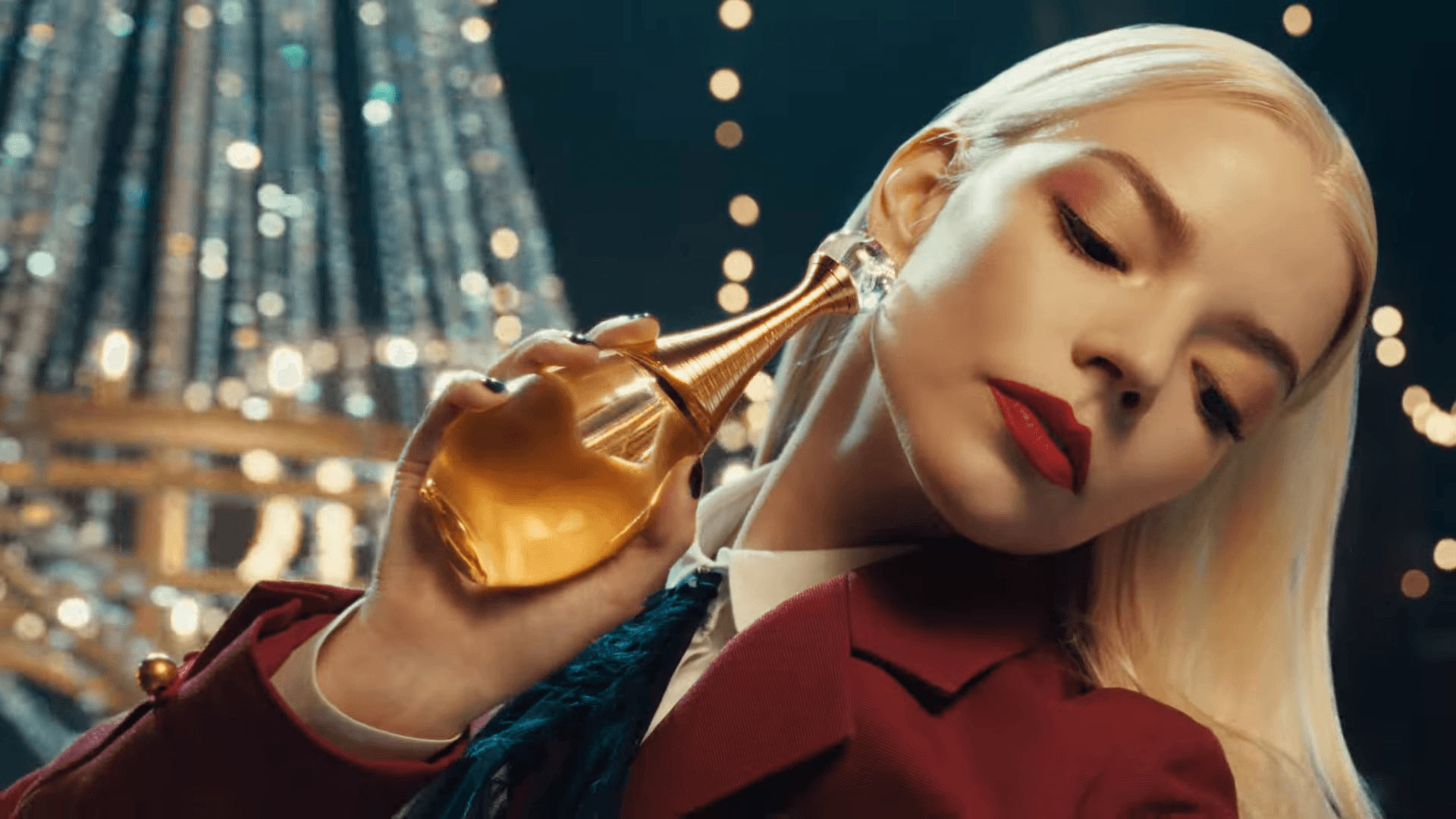
Celebrity involvement in fragrance has also evolved.Earlier celebrity fragrance launches often relied primarily on star power. Today many artists and cultural figures approach fragrance as an extension of their broader creative identity.
Billie Eilish’s fragrance line, for example, launched with a sculptural gold bottle that quickly became recognisable across social media. The object itself felt like an extension of her aesthetic universe.
Similarly, projects associated with artists like Pharrell Williams integrate fragrance into wider cultural narratives spanning music, fashion and design.The bottle becomes part of the visual world surrounding the artist.
Much of the beauty industry now operates according to measurable outcomes. Consumers analyse ingredient lists, examine clinical claims and compare results across products.Fragrance remains largely outside that framework.
Perfume cannot easily be reduced to functionality. A moisturiser hydrates skin. A foundation alters complexion. A fragrance evokes emotion, memory and atmosphere.Because its value lies in experience, perfume maintains a degree of artistic freedom that other beauty categories rarely enjoy.
This freedom allows fragrance brands to operate with a level of theatricality that would feel out of place elsewhere in the industry.
Understanding how fragrance trends move through culture increasingly requires looking at creator ecosystems.
Platforms such as Kyra analyse billions of creator posts and brand mentions across social media, tracking how frequently certain fragrance houses and scent profiles appear in conversations. When particular notes or brands begin appearing repeatedly across creator routines and reviews, the pattern often signals emerging cultural momentum.
The Kyra Predictive Index maps these shifts by identifying brands gaining traction across creator communities before they appear prominently in retail data.Consumer surveys reveal what people say they like. Creator behaviour often reveals which products are quietly capturing attention across culture.
The broader beauty industry has become increasingly disciplined over the past decade. Consumers evaluate skincare formulations carefully and approach makeup routines with a focus on subtle enhancement.Fragrance continues to operate according to different instincts.
Perfume remains tied to identity, mood and memory in ways that resist measurement. A scent can recall a place, a person or a moment in time with surprising clarity.For many consumers, fragrance represents one of the few areas of beauty that still allows pure emotion.
In an industry increasingly shaped by performance metrics and ingredient transparency, perfume continues to offer something more elusive.
Subscribe to our newsletter for weekly influencer marketing insights, trends, and data-driven strategies.
